Fatal Air Canada-Jazz Crash at LaGuardia: What We Know So Far
Two pilots killed in late-night collision runway-side at LGA; dozens hurt, airport closed until afternoon.
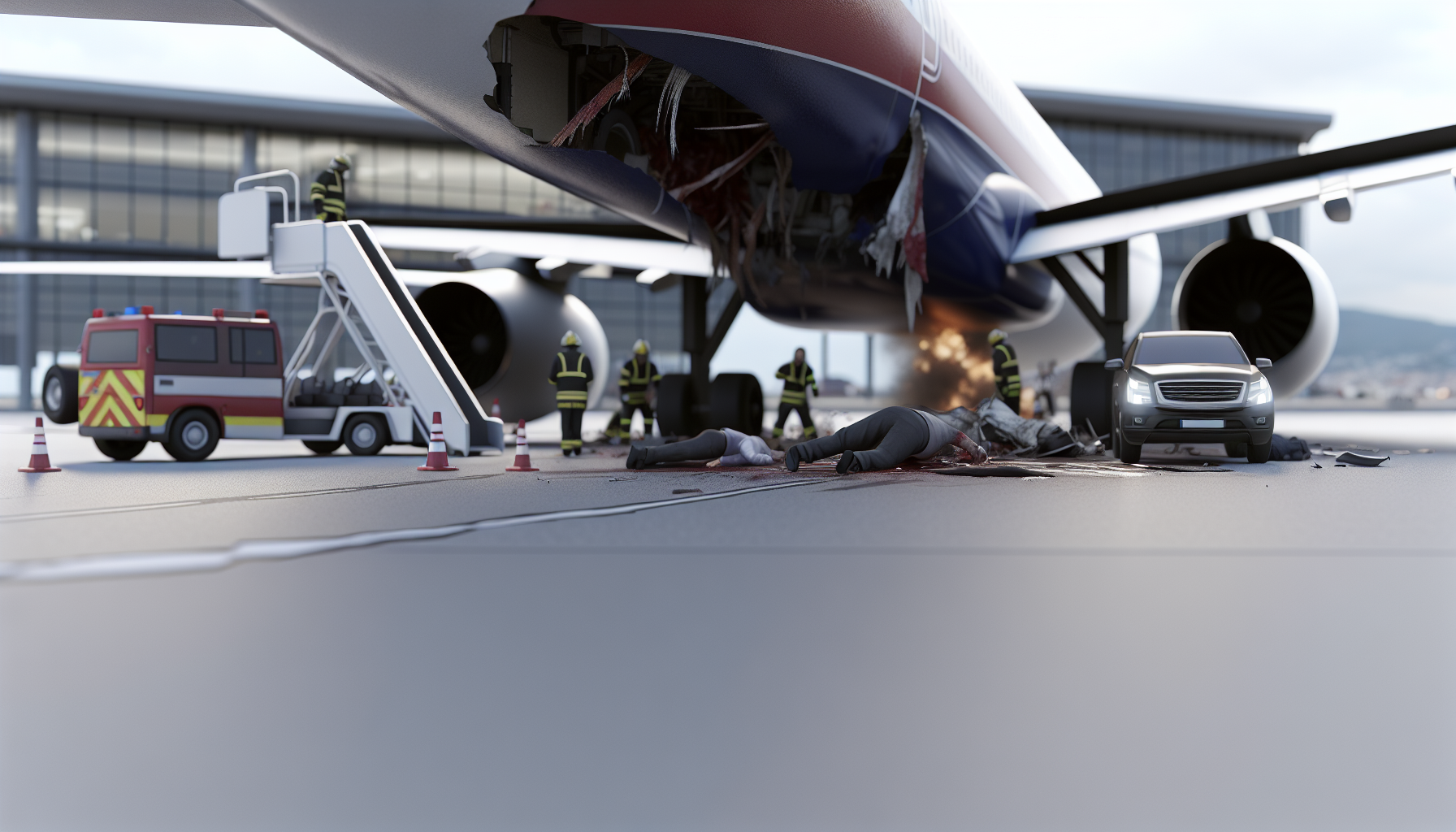
It was just before midnight on March 22 when Flight AC8646 from Montréal’s Trudeau Airport was moments away from landing at New York’s LaGuardia Airport. What followed was a devastating accident: the plane struck a fire truck responding to a separate incident on the runway, killing the pilot and co-pilot, injuring dozens, and shutting down the airport until at least 2 p.m. the next day.
The Collision: What Really Happened
A Bombardier CRJ-900, operated by Jazz Aviation for Air Canada Express, was cleared to land on Runway 4 shortly before 11:47 p.m. when an aircraft rescue and firefighting (ARFF) vehicle was crossing via Taxiway D. Air traffic controllers reportedly told the vehicle to stop repeatedly, mere seconds before the impact still occurred.
The collision destroyed the nose and cockpit of the jet. Both the pilot and co-pilot—both Canadian-based—were killed. Two Port Authority employees in the fire truck were injured, though their wounds are not believed to be life-threatening.
Casualties, Injuries, and Survivors
- There were 72 passengers aboard, along with four crew members. In total, 76 people occupied the aircraft. Almost all survived; two fatalities came from the cockpit. Two pilots—those responsible for the flight—lost their lives.
- About 39 people from the aircraft required hospital treatment. At least 32 have since been released, though several were seriously injured. Ground personnel in the fire truck also injured.
- All told, the accident resulted in approximately 41 injuries.
Aftermath: Airport Shutdowns, Diversions, and Investigation
LaGuardia remained closed until at least 2 p.m. local time while airport authorities assessed the damage and cleared debris. Flights that were inbound were diverted to other airports—many landing at John F. Kennedy or Newark—to alleviate congestion caused by the shutdown.
The National Transportation Safety Board has dispatched a go team to investigate. Meanwhile, air traffic control audio has emerged, revealing that controllers cleared the fire truck to cross the runway even as the Air Canada aircraft was on final approach, then urgently tried to halt its movement just before the fatal impact.
Broader Implications and Key Questions
This tragedy raises several pressing concerns. How could a vehicle be cleared onto the runway when a landing was imminent? Was there miscommunication between ground control and the driver of the fire truck, or a systems failure? Is there precedent for runway incursions under similar conditions?
LaGuardia, part of a trio of airports serving New York City, handles about 30 million passengers annually. A shutdown here ripples across national and international flights. Emergency protocols, signage, clearances, and coordination between services are now under scrutiny.
Weather & Visibility
Heavy rain in the area shortly before the incident had already been causing flight disruptions. While visibility had been compromised earlier, there is, so far, no evidence that weather was a primary factor in this collision.
Systemic Oversight
Airport operations hinge on split-second decisions. The recordings suggest controllers had simultaneous responsibilities—over both ground and tower frequencies—which may have complicated clarity and response time. Evaluations of standard operating procedures are likely to follow.
Conclusion
This deadly crash at LaGuardia is a rare and shocking reminder that safety depends on every link—from commanding a jet on landing roll to a fire truck’s choice to cross a runway. As investigations continue, answers will emerge about failures and oversights. For now, our focus must be on honoring the lives lost and supporting the many injured. Above all, ensuring such a collision never happens again must be the priority.


