Age of Attraction: Netflix’s Bold Experiment to Rewrite Dating Biases
Netflix’s new dating show strips age out of attraction. What happens when true connection meets age bias?
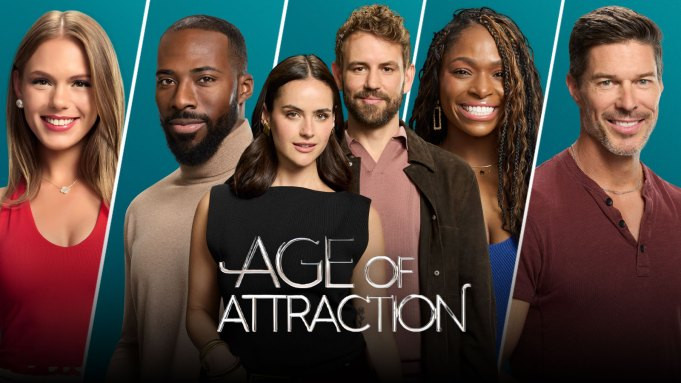
Picture this: singles aged between 22 and 60 mingling, sparking chemistry, whispering secrets of chemistry—not age—until it really matters. That’s the high-stakes gamble behind Netflix’s Age of Attraction, the brand-new reality series that dares to test whether love truly transcends numbers. With no birthdates, no age reveals until relationships deepen, and familiar hosts Nick Viall and Natalie Joy—who themselves live out an 18-year age gap—guiding the way, this isn't just another dating show. It’s an experiment.
The Format That Flips Dating Convention
Age of Attraction debuts March 11, 2026, on Netflix. The eight-episode season is broken into three drops across three weeks—episodes 1–5 on March 11, episodes 6–7 on March 18, and the finale on March 25. The stage: Whistler and Vancouver, Canada. The twist: daters don’t know each other’s ages at first; they must connect on compatibility, shared values, and pure attraction. Only later do age gaps emerge and become a test of authenticity, not aesthetics.
Casting: Bridging Generations and Tipping Clichés
The age range is striking: participants span from their early twenties to their sixties, opening up the dating pool to generational crosscurrent in a way many shows dare not. At its helm are Nick Viall, 44, and Natalie Joy, 26—real-life partners who have navigated public attention around their age-gap relationship for years. Their voices add weight, lending personal stakes to what often plays out as melodrama elsewhere. For many cast members, revealing age becomes less about shock and more about revealing assumptions—both cultural and personal—held by the daters themselves.
The Cultural Underpins: Why Age Bias Still Shapes Romance
Age isn’t just a number—it’s a loaded symbol. In the U.S., the average age gap in opposite-sex marriages is just over two years; the older partner is almost always male. Yet roughly half of Americans report having been in a relationship with a 10-year-plus age difference—suggesting that while such relationships are common, they’re not always accepted without caveats. Many cite “physical attraction” for dating someone younger, while emotional maturity or financial stability are often the perks associated with older partners. Social acceptance shifts when the roles reverse.
What Viewers Can Expect—and Why It Matters
- Dramatic reveals: opening up about age becomes a moment of confrontation and introspection.
- External pressures: families, friends, and future goals like kids will surface in unexpected ways.
- Generational values clash: preferences around lifestyle, social media, work, life stage—all colored by age without knowing the age.
- Expect heartwarming connections and sharp moments of rejection rooted not just in attraction, but deep-seated assumptions.
This is more than voyeuristic entertainment—it’s a litmus test. If deeper connection can survive the truth of age differences—or if the reveal fractures something fundamental—it tells us a lot about how much age continues to carry weight in love.
What’s at Risk—and What’s at Stake
On one hand, this format offers a chance to push back against harsh age norms—women facing stigma for dating younger, men presumed to be power players, older singles feeling invisible. On the other hand, this level of transparency risks public shaming, performative acceptance, and moments of cruelty that reality TV tends to magnify.
If done thoughtfully, though, Age of Attraction could shift narratives—and expectations. It could let viewers who’ve internalized doubting glances finally feel seen. And maybe it’ll let those who’ve judged quickly understand how much they were judging numbers, not people.
In a media landscape saturated with perfect skin, filtered lives, and tightly edited romance, this show might just expose the tension between attraction and bias—and the power of choosing connection over conformity.
How it Aligns With Broader Trends
Older generations are reclaiming visibility in love stories. A recent survey of over 2,000 adults over 45 shows more than half would consider long-term relationships with separate finances or living arrangements. Nearly 60% say they’d be open to dating someone 10+ years younger. It’s not just about romance—it’s about visibility, agency, and rejecting the erase-and-age-fade narrative culture often demands.
Meanwhile, attitudes toward age-gap dating remain deeply gendered. American poll respondents consistently believe it’s more acceptable for men to date younger women than the reverse. Concerns over judgement, compatibility, and social acceptance remain particularly acute when women date significantly older or younger partners. For many, love feels like it lives in that tension.
What Age of Attraction does is expose those tensions in real-time. It’s not just drama—it’s exploration.
Bottom line: this show isn’t just about dating—it’s about what we believe love should look like when stripped of expectations. Will viewers lean into empathy, or gossip? Will daters transcend age biases, or get tripped up by them? Either way, Age of Attraction promises a jolt.


