Five Reasons the Steelers Traded for Michael Pittman Jr. And What It Signals About Their Passing Game
The Steelers’ acquisition of Michael Pittman Jr. goes beyond a roster tweak—it reveals serious shifts in strategy.
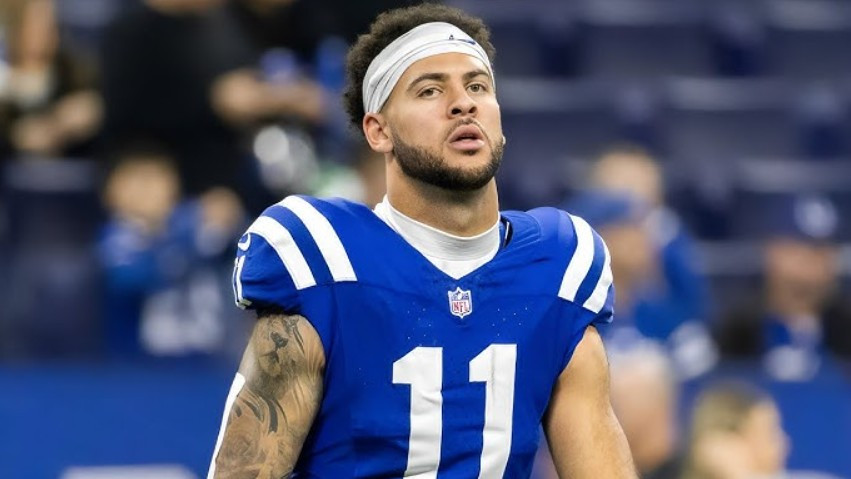
Kevin Colbert once said it’s hard to force-feed weapons to a quarterback, but when the roster invests, the quarterback better not be starving. The Steelers’ reported trade for Michael Pittman Jr., paired with DK Metcalf already in town, speaks volumes about where Pittsburgh’s passing game is headed. Here are five reasons they made this move—and what it tells us about the new AFC North blueprint.
1. More Than Just Depth: A High-Quality WR2
Through 2025, DK Metcalf led the Steelers in targets with 99, hauling in 59 catches for 850 yards and six touchdowns. Those numbers made him the clear focal point—but also laid bare how thin the receiver room was behind him. Steelers’ WR depth has a few names with promise—Calvin Austin III, Roman Wilson—but none with Pittman’s pedigree or proven consistency. He arrives after a season with 80 catches for 784 yards and a career-high seven scores, numbers that make him more than just insurance—they make him a co-star. With Pittman as a strong WR2, Pittsburgh’s offense suddenly has multiple threat levels, something defenses struggled to contain when George Pickens stood alone opposite Metcalf in 2024 and 2025.
2. Contract Leverage and Financial Flexibility
Pittman is entering the final year of his contract, currently carrying a cap hit of about $24 million. Moving him now brings a few advantages. For one, it’s a cheaper entry for Pittsburgh than waiting until free agency would make him more expensive or allow him to walk. For Indianapolis, trading him frees up significant cap space—money they reportedly used to re-sign Alec Pierce to a massive four-year deal. For Pittsburgh, their projected cap space heading into 2026 sits around $65 million, plenty to absorb Pittman’s contract without disrupting broader plans. The Steelers currently hold 12 draft choices—including three third-rounders and two fourth-rounders—giving them options to build across multiple fronts while maintaining the passing game’s priority.
3. A Shift Toward More Versatility in the Passing Game
Steelers charting from early-to-mid 2025 showed a pattern: faced with limited receiver depth, the offense leaned heavily on Metcalf and frequently targeted short zones where receivers could generate yards after the catch. But that strategy only gets you so far in tight games or in the red zone. Pittman brings a different toolkit—his 6-foot-4, 223-pound frame makes him a dangerous option near the goal line and in contested-catch situations. When Metcalf draws double teams, Pittman can be that reliable option across the middle, or when everything else is covered. Pairing him with tight ends and backs will let coordinator Arthur Smith stretch the field and diversify targets. It signals a move from ‘make plays for DK or fail’ toward a more balanced aerial attack.
4. Mitigating Uncertainty at Quarterback
Aaron Rodgers had a roller-coaster season in 2025 with moments of brilliance alongside moments of clear decline. The Steelers still don’t know if he’ll return, and whether they lean on him or someone else in 2026, having dependable targets matters more than ever. Pittman’s reliability—even during QB changes and down years in Indianapolis—makes him a stabilizing force. He’s played through inconsistent signal-calling and still found ways to produce. That type of veteran presence gives options: more short, rhythm throws when the QB needs support; reliable contested catches when the margin is tight. It’s insurance for someone who may once again face pressure to perform despite shaky quarterback play.
5. A Desire for Immediate Contenders in the AFC North
Steelers can’t kid themselves: the AFC North doesn’t get easier. Baltimore, Cincinnati, and Cleveland are reshaping too. Adding Metcalf brought excitement; Pittman converts that into depth and sustainability. Pittsburgh just made the playoffs at 10–7, and improving the passing game is one of the clearest paths to better outcomes in close games. Pittman offers red zone value, physicality, and the potential to demand attention as a matchup problem right away. It signals that the Steelers believe they’re a roster away—not undergoing a rebuild, but sharpening tools for 2026.
What It Says About Their Passing Game
The Steelers’ passing game is evolving. Gone are the days where the aerial attack was secondary to the run and pure reliance on one receiver. Now they’ll live in the short-to-intermediate zones—where yards after the catch can tilt momentum—and threaten downfield with two size-speed threats. This move suggests they’re embracing more varied target distribution, diversified route trees, and game plans that go beyond just asking Metcalf to win blocks and fights. It also suggests greater expectations for efficiency and execution in the passing attack, especially in high pressure moments.
Conclusion
The trade for Michael Pittman Jr. isn’t idle noise or insurance—it’s a statement. The Steelers are signaling an aggressive pivot toward making their passing game a weapon with depth, reliability, and match-up flexibility. Whether Rodgers returns or someone else steps in, Pittman makes Pittsburgh’s aerial plans harder to scheme against—and tougher to beat.


