Allegiant’s $1.5B Bet: How the Sun Country Deal Will Change Your Flight Plans
Allegiant’s merger with Sun Country will add routes, boost cargo ties, reshape loyalty—and still keep some things the same for now.
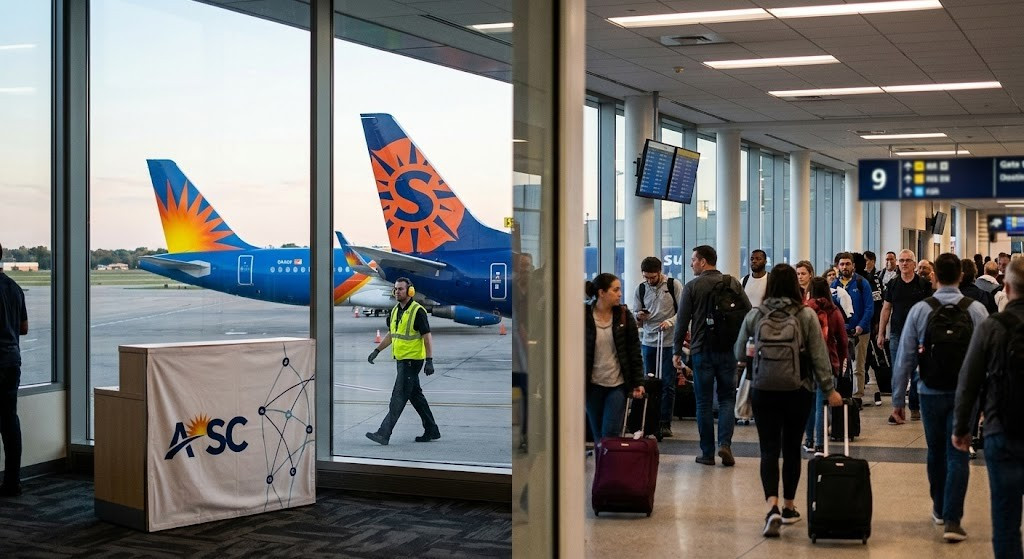
When Allegiant Travel Company announced it would acquire Sun Country Airlines in a $1.5 billion cash-and-stock deal in January 2026, travelers paid attention—and for good reason. This isn’t just another airline takeover. It’s a bold move that could reshape how affordable air travel works in America, especially for destinations that big carriers tend to ignore.
What the Deal Looks Like: By the Numbers
The headline is $1.5 billion, all in—including about $400 million of Sun Country’s net debt. Shareholders of Sun Country will receive $4.10 in cash plus 0.1557 shares of Allegiant per share, which values Sun Country equity at $18.89—roughly a 19.8% premium over its price before the announcement. Allegiant shareholders, once the merger closes in late 2026, will own about 67% of the combined airline; Sun Country shareholders will own the remaining 33%. The boards of both airlines have unanimously approved the deal, which still awaits regulatory clearance. Few currently believe federal authorities will block it, given limited overlap in routes between the two airlines.
What You’ll See—and What Won’t Change Right Away
If you're flying Allegiant today or Sun Country for your next trip, things stay mostly the same for now. Schedules, ticketing, loyalty programs, branding—even the travel experience—will remain unaffected until an operating certificate is consolidated by the Federal Aviation Administration. Allegiant will take over control, headquartered in Las Vegas, with current CEO Gregory Anderson heading up the combined company. Sun Country’s CEO, Jude Bricker, will join Allegiant’s board. Sun Country’s charter and cargo operations (including high-profile work with Amazon) will continue to run, and Minneapolis-St. Paul will remain a strong hub.
What Gets Bigger: Routes, Fleet & Destination Perks
The merger is expected to serve roughly 175 cities with more than 650 routes—combining Allegiant’s 551 routes with Sun Country’s 105—and a fleet of about 195 aircraft (with 30 on order and many more options ready). Perhaps most exciting for travelers: Allegiant customers will gain easier access to 18 international destinations, thanks to Sun Country’s existing footprint in Mexico, the Caribbean, Canada, and Central America. Also likely: more nonstop flights from underserved U.S. cities to vacation-friendly locations, especially during peak season. Loyalty travelers may see perks too—expanded earning and redeeming opportunities across the enlarged network, though program integration details haven’t yet been locked down.
The Financial Backdrop & Long-Term Expectations
Allegiant and Sun Country are both among the rare U.S. low-cost carriers turning consistent profits. Sun Country, for instance, has delivered multiple profitable quarters in a row, bolstered by steady demand for both its scheduled flights and its cargo & charter contracts. The combined entity is expected to generate about $140 million in annual synergies within three years—through network optimization, fleet efficiency, joint procurement, and more. Even better: the acquisition is projected to improve earnings per share in the first full year after closing. While the financials look strong, Allegiant has signaled it’s approaching fleet growth carefully—expect 6–8% growth rates compared to its historic double-digit expansion, and close monitoring of costs, labor, and regulatory risks during integration.
What Passengers Should Watch Closely
- Network Changes: Primary gains will come in new destinations, especially internationally. Breeding ground for nonstop service between small U.S. cities and previously harder-to-reach vacation spots.
- Brand Experience: While creators say the Sun Country brand will hang around for now, ultimately everything shifts under the Allegiant name once regulatory approvals are in place.
- Loyalty & Rewards: Travelers can still earn benefits on both airlines separately, but expect updates—perhaps a unified loyalty program—that could level up status benefits depending on route and location.
- Price & Competition: Limited route overlap means antitrust concerns are low, but fare changes remain possible. In markets where Sun Country had a strong base—Minnesota especially—travelers should keep an eye out.
Bottom line: for most flyers, this isn’t going to rattle your travel plan—but it just might unlock routes you didn’t think existed, especially south of the border or during peak seasons.
This deal isn’t just about combining airlines—it’s about combining opportunity.
Conclusion
The Allegiant-Sun Country merger promises to bring more destinations, more competitive pricing from leisure markets, and protections for what passengers already love—while still allowing time for careful integration. If all goes smoothly, travelers could see better access, better choices, and more value once the deal finally closes in late 2026.


