Safe sex and STI prevention guide, condoms, PrEP, vaccines
Safe sex and STI prevention guide, condoms, PrEP, vaccines ClubRive …
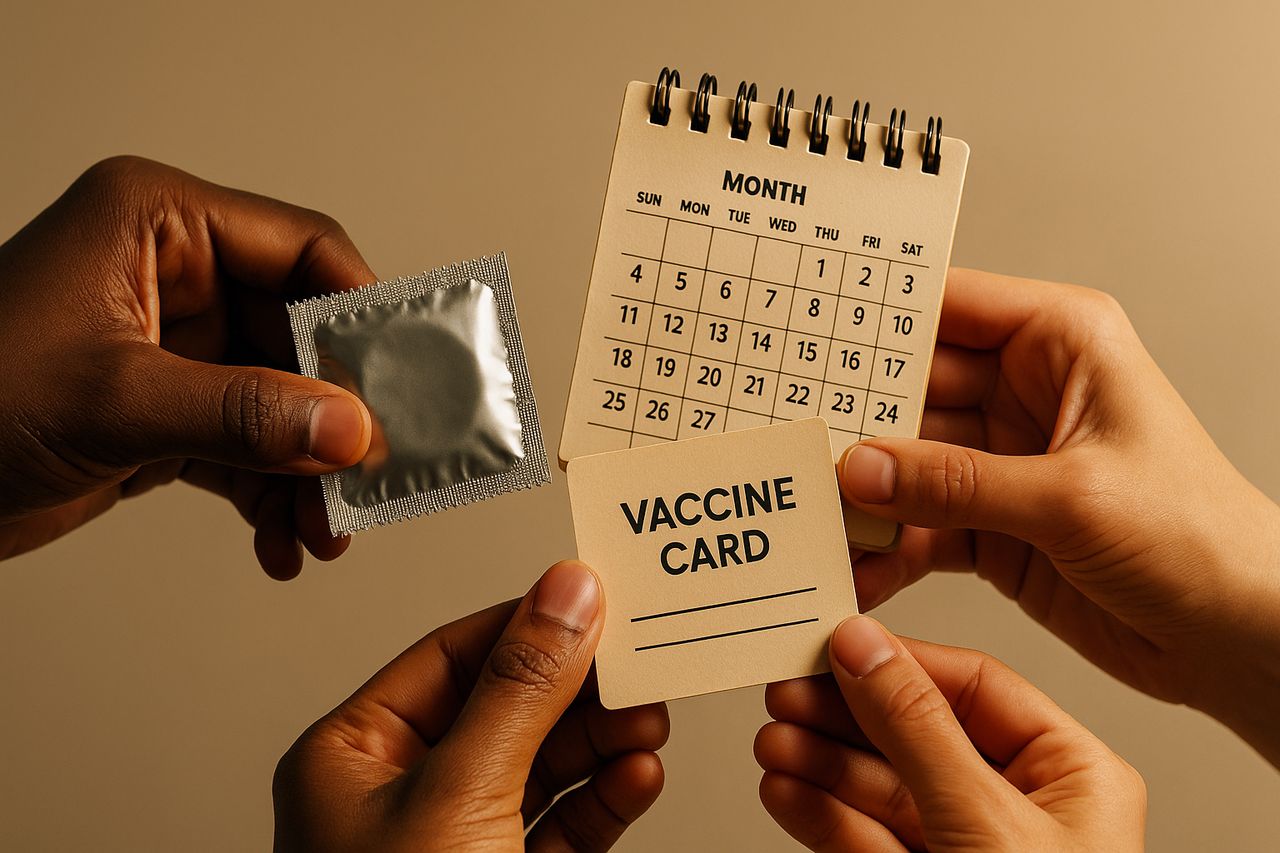
Safe sex and STI prevention guide, condoms, PrEP, vaccines
TL;DR:
- Use condoms every time, start to finish, with the right lube.
- Test on a schedule, and treat fast. Tell partners so they can test too.
- Add HIV tools when needed, like PrEP or PEP. PrEP does not prevent other STIs.
- Get HPV and hepatitis B vaccines if eligible. They prevent two major STIs.
- Agree on safer sex rules with partners, and plan for consent and emergency steps.
Prioritize Safe Sex and STI Prevention: A Practical Global Guide
Sexual health is part of overall health. Safer sex protects you and your partners from sexually transmitted infections, including HIV. This guide gives clear steps you can use today. It blends advice from the World Health Organization, the United States Centers for Disease Control and Prevention, and UNAIDS. It is written for a global audience on 30 September 2025.
What counts as safer sex
Safer sex means reducing risk at each step. That includes condoms, testing and treatment, HIV prevention medicines, vaccines, and honest talks with partners. Different tools work together.
Condoms still do the most work
Condoms protect against most STIs, including HIV, during vaginal, anal, and oral sex. WHO says condoms are safe, low cost, and effective when used the right way, every time. Pair condoms with a compatible lubricant to cut breakage and skin tears, which also lowers risk. CDC guidance adds that any condom use is better than none, but consistent use is key for real protection. (WHO, CDC)
Make condoms work better
- Use a new condom for each sex act.
- Check the expiry date. Avoid heat and sunlight.
- For latex condoms, use water based or silicone based lube. Oil based products weaken latex.
- Pinch the tip to leave room, then roll to the base.
- Hold the base during withdrawal, then tie and bin it.
Internal condoms are a good option if external condoms are not preferred. They also reduce STI risk when used the right way. (WHO)
Testing and fast treatment stop spread
You often cannot see an STI. Many infections have mild or no symptoms. Testing is how you know. CDC explains that regular screening, quick treatment, and partner treatment reduce spread in communities. (CDC)
Suggested screening rhythm
- Sexually active with one partner, no symptoms: test at least once a year for common STIs, plus HIV.
- New or multiple partners, or condomless sex: test every 3 to 6 months.
- Men who have sex with men, trans and nonbinary people with new partners, people on PrEP, or with recent STI: test every 3 months or as advised.
- Pregnant people: test early in pregnancy, and again if at risk.
Ask for site specific testing where relevant. Throat and rectal swabs can catch infections urine tests miss.
If you test positive, start treatment right away, and make sure your partner gets treated too. Many STIs cure with antibiotics. Some, like herpes and HIV, are managed with daily medicine.
HIV prevention, beyond condoms
PrEP
Pre exposure prophylaxis, or PrEP, is a daily pill or long acting shot that prevents HIV. CDC advises that all sexually active adults and adolescents can ask for PrEP. PrEP does not prevent other STIs or pregnancy, so keep using condoms. (CDC)
Who may benefit
- Condomless sex with partners of unknown HIV status.
- A partner with HIV who is not on treatment or not yet suppressed.
- Recent bacterial STI.
- Sex work or multiple partners.
PEP
Post exposure prophylaxis, or PEP, is a 28 day course started as soon as possible after a likely HIV exposure. It must start within 72 hours. Go to a clinic or emergency department to begin PEP without delay. Keep using condoms during and after PEP until follow up testing is complete.
Doxycycline PEP for some bacterial STIs
CDC issued guidance on doxycycline post exposure prophylaxis, called doxy PEP. Certain people, like gay, bisexual, and other men who have sex with men and transgender women with a bacterial STI in the past year, may be offered a 200 mg dose within 72 hours after sex to cut the risk of syphilis, chlamydia, and in some settings gonorrhea. This is not for everyone. Discuss benefits, side effects, and antibiotic resistance with a clinician. Keep using condoms and keep testing. (CDC)
Vaccines prevent HPV and hepatitis B
Two major STIs have safe and effective vaccines. WHO notes that HPV and hepatitis B vaccines are key to prevention.
- HPV vaccine. Helps prevent HPV infections that cause cervical, anal, and other cancers, and genital warts. WHO supports one or two dose schedules for girls and young women, and many countries also vaccinate boys. Ask your local program about age ranges and doses in your setting. Higher coverage helps meet the goal of cutting cervical cancer worldwide. (WHO)
- Hepatitis B vaccine. Part of infant schedules in many countries, and also used for adults who are not yet immune. Ask for a blood test if you are unsure of your status.
Vaccines do not replace condoms or testing. They lower risk for these two infections and their long term harms.
Talk about consent and safer sex plans
Agree on consent every time. Share testing plans, recent results, and what you both expect. Set clear rules on condom use and what to do if a condom breaks. Decide how you will reach care for PEP or emergency contraception if needed.
Reduce risk in common situations
Oral sex
- Lower risk than vaginal or anal sex, but not zero.
- Use condoms for oral sex on a penis. Use condoms or dental dams for oral sex on a vulva or anus.
Anal sex
- Higher risk for HIV and some STIs due to thin tissue.
- Use more lube to prevent tears. Consider adding PrEP, and test more often.
New relationship energy
- Before stopping condoms, both partners should test. Share results. Consider window periods for HIV and other STIs. Keep condoms until you both complete follow up tests if advised.
Sex while treating an STI
- Follow the treatment plan. Do not have sex until your clinician says you are no longer infectious. Bring partners in for treatment so you do not pass the infection back and forth.
Global picture and why prevention still matters
UNAIDS reports 1.3 million people were newly infected with HIV in 2024, with 40.8 million people living with HIV that year. Deaths have fallen since 2004, yet new infections are not dropping fast enough to meet 2025 goals. Prevention saves lives and reduces costs. It also supports the WHO aim to eliminate cervical cancer through HPV vaccination, screening, and treatment. (UNAIDS, WHO)
Quick checklist you can save
- Condoms ready, correct size, not expired.
- Lube that matches your condom type.
- Testing plan on your calendar.
- Talk with partners about recent tests and condom use.
- Consider PrEP if your risk is higher. Know where to get PEP.
- Up to date on HPV and hepatitis B vaccines.
- Plan for emergencies, like a condom break or need for PEP.
Sample testing and prevention planner
| Situation | What to do | Add ons |
| New partner | Use condoms every time. Test both partners. | Share results before stopping condoms. |
| Multiple partners | Test every 3 to 6 months. | Consider PrEP for HIV. |
| Condom broke | Do not panic. Test and seek care. | PEP for HIV may be needed within 72 hours. |
| Recent STI | Complete treatment. Tell partners. | Retest in 3 months. Consider doxy PEP if you qualify. |
| Under 26 or per local rules | Ask about HPV vaccine. | Hep B vaccine if not immune. |
| Oral sex | Use condoms or dental dams. | Avoid sex if you have mouth sores. |
Common mistakes to avoid
- Skipping condoms because you are on PrEP. PrEP prevents HIV, not other STIs or pregnancy. Keep condoms in the plan. (CDC)
- Using oil based products with latex condoms. That raises breakage.
- Testing only with urine when you have oral or anal sex. Ask for throat and rectal swabs.
- Stopping antibiotics early. Finish the full course to avoid treatment failure.
- Not treating partners. You can get reinfected if partners stay untreated.
Access and equity
Access varies by country. Many public clinics offer free or low cost condoms, testing, and vaccines. Community groups can help with stigma and navigation. Harm reduction services, like sterile injection equipment and opioid dependence treatment, also cut HIV and hepatitis risk where available. Check local laws and services.
When to seek care now
- You had condomless sex with a partner of unknown HIV status in the last 72 hours.
- You have pain when you pee, sores, rash, bleeding after sex, or new discharge.
- A partner tells you they tested positive.
- You think you need HPV or hepatitis B vaccines.
Why it matters
STIs can cause pain, cancer, infertility, and long term illness. The steps above are simple and low cost. They help you protect yourself and your partners, and they reduce the burden on health systems. With condoms, testing, vaccines, and HIV prevention tools, most infections can be avoided or treated early.
Sources:
- World Health Organization, Condoms factsheet, https://www.who.int/news-room/fact-sheets/detail/condoms, 14 February 2025
- World Health Organization, Sexually transmitted infections factsheet, https://www.who.int/news-room/fact-sheets/detail/sexually-transmitted-infections-%28stis%29, 10 September 2025
- Centers for Disease Control and Prevention, How to Prevent STIs, https://www.cdc.gov/sti/prevention/index.html, 9 April 2024
- Centers for Disease Control and Prevention, Clinical Guidance for PrEP, https://www.cdc.gov/hivnexus/hcp/prep/index.html, 10 February 2025
- Centers for Disease Control and Prevention, Doxy PEP for Bacterial STI Prevention, https://www.cdc.gov/sti/hcp/doxy-pep/index.html, 5 December 2024
- UNAIDS, Global HIV statistics fact sheet 2025, https://www.unaids.org/sites/default/files/media_asset/UNAIDS_FactSheet_en.pdf, July 2025
- World Health Organization, Human papillomavirus and HPV vaccines position, https://www.who.int/teams/immunization-vaccines-and-biologicals/diseases/human-papillomavirus-vaccines-%28HPV%29, 16 December 2022
- World Health Organization, WHO adds an HPV vaccine for single dose use, https://www.who.int/news/item/04-10-2024-who-adds-an-hpv-vaccine-for-single-dose-use, 4 October 2024


