Get rid of chickenpox spots fast: safe, proven steps
Get rid of chickenpox spots fast: safe, proven steps ClubRive …
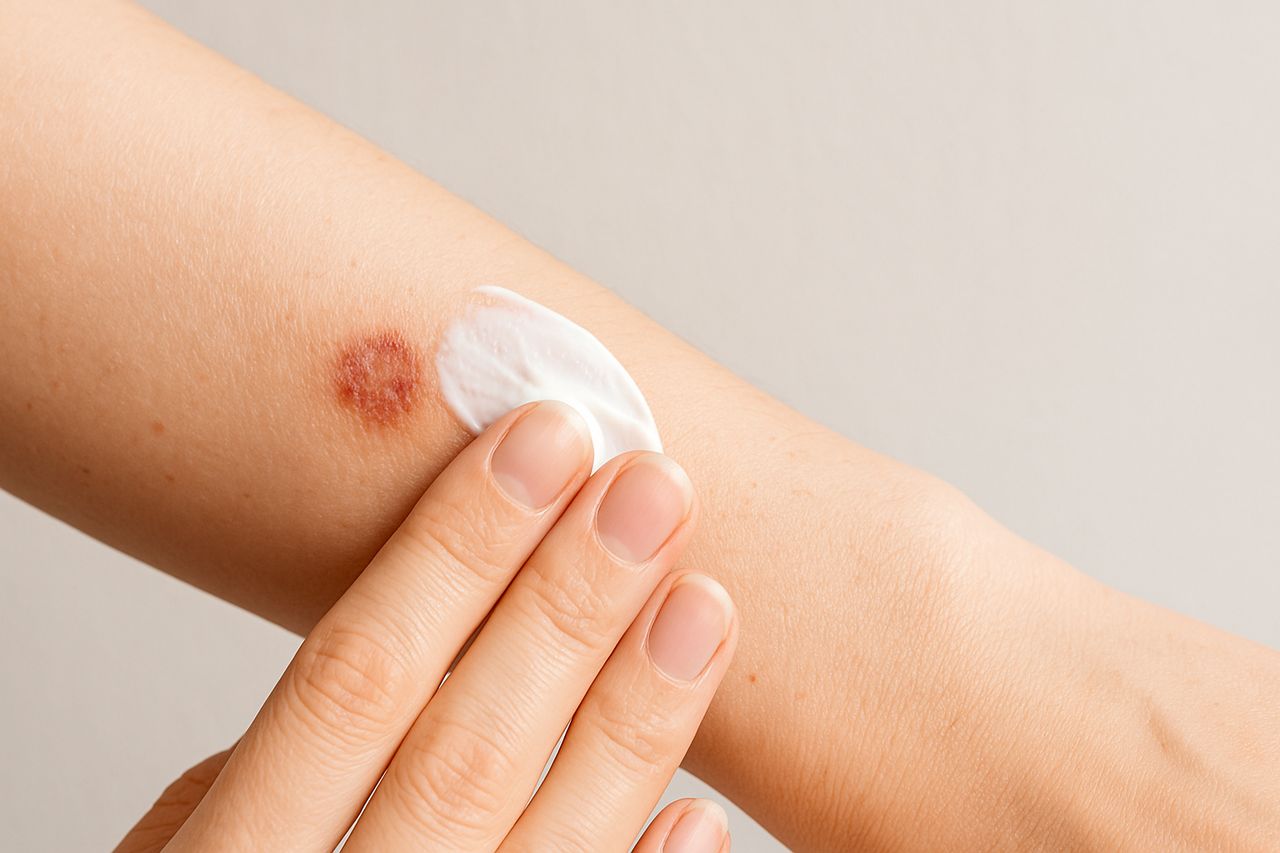
Get rid of chickenpox spots fast: safe, proven steps
TL;DR:
- Let spots heal, stop scratching, and keep nails short.
- Soothe itch with oatmeal baths and calamine to prevent new scars.
- Wear SPF 30+ daily to fade dark marks and stop new discoloration.
- OTC scar creams have limited proof. See a dermatologist for lasers, peels, or microneedling.
- Avoid ibuprofen in kids with chickenpox. Use acetaminophen for fever per CDC.
What you can do right now
Chickenpox spots fade with time. New scars form when blisters get infected or are picked. Your first goal is to protect healing skin and calm the itch.
- Do not pick or squeeze. Picking breaks the skin and may leave pits.
- Keep nails short and clean. Consider cotton gloves for kids at night.
- Take a cool bath with baking soda or colloidal oatmeal. This eases itch and helps you avoid scratching, per CDC guidance on April 24, 2024.
- Dab calamine lotion on itchy areas. It is safe for most people and helps you not scratch.
- For fever or pain, use acetaminophen. The CDC warns against aspirin, and says the American Academy of Pediatrics advises avoiding ibuprofen in children due to rare but serious skin infections.
How long do chickenpox marks take to fade?
The rash cycles through spots, blisters, then crusts over 5 to 10 days. After crusts fall off, pink or brown flat marks can linger for weeks to months. These are pigment changes, not true scars. They usually fade on their own.
Mayo Clinic notes the chickenpox rash itself typically lasts 5 to 10 days, then heals. Color changes after healing can take longer, and care focuses on comfort and protection.
The fastest safe ways to fade spots
1) Daily sun protection
Sun exposure can lock in dark marks and make them last longer. Dermatologists recommend a broad spectrum SPF 30 or higher every morning on healed skin. Reapply every two hours outdoors and after swimming or sweating. Cover up with clothing where possible. The American Academy of Dermatology (AAD) stresses SPF 30+ as a daily habit and highlights protection for discoloration.
2) Gentle skincare that protects the barrier
- Wash with a mild cleanser.
- Moisturize twice a day.
- Skip harsh scrubs on healing skin.
Healthy skin repairs pigment more evenly. This also reduces itch that leads to scratching.
3) Ingredients that can help with dark marks
For flat dark spots after crusts fall, consider a simple routine on intact skin:
- Niacinamide 2–5 percent nightly for tone and redness support.
- Vitamin C serum in the morning before sunscreen to brighten.
- Adapalene 0.1 percent gel at night 2 to 3 times weekly on intact skin only if tolerated by teens and adults, not young children. Start low and go slow. Stop if irritation occurs.
Evidence for OTC “scar gels” with vitamin E or onion extract is limited. The AAD advises speaking with a dermatologist before relying on these.
4) When pitted scars remain
If pitted or indented marks remain after 3 to 6 months, at home care will not fill them in. A dermatologist can offer:
- Microneedling for shallow pits.
- Fractional laser to stimulate collagen.
- Chemical peels such as TCA in expert hands.
- Fillers for select scars.
Peer reviewed reviews and AAD guidance support these in-office options for scars. Expect several sessions. Protect from sun before and after treatment to prevent darkening.
What to avoid
- Do not use aspirin in children. It is linked to Reye’s syndrome.
- Avoid ibuprofen in children with chickenpox unless a doctor says otherwise. The CDC cites a link to severe bacterial skin infections.
- No harsh exfoliation on active blisters. Wait until skin is fully healed.
- Be cautious with DIY acids or strong peels. These can burn healing skin and worsen marks.
Step by step plan by phase
While blisters are active
- Short, cool oatmeal or baking soda baths once or twice daily. Pat dry.
- Calamine lotion on itchy spots.
- Keep nails trimmed. Use cotton gloves for kids at night.
- Loose cotton clothes.
- Acetaminophen for fever. No aspirin. Avoid ibuprofen in children.
After crusts fall and skin is intact
- Cleanse gently twice daily.
- Moisturize morning and night.
- Apply vitamin C then SPF 30+ every morning. Reapply outdoors.
- At night, use niacinamide. Consider adapalene on intact skin for teens and adults if tolerated.
- Avoid sunbeds and limit midday sun.
If pits are visible after 3–6 months
Book a dermatology visit. Discuss microneedling, fractional laser, peels, or fillers. Continue daily SPF to prevent pigment problems before and after any procedure.
Quick checklist
| Goal | What to do | How often | Notes |
| Stop scratching | Oatmeal baths, calamine, short nails | Daily | Prevents new scars. |
| Soothe skin | Gentle cleanser, moisturizer | Twice daily | No scrubs on healing skin |
| Block darkening | Broad spectrum SPF 30+ | Every morning, reapply outdoors | Key for fading marks. |
| Fade flat marks | Vitamin C AM, niacinamide PM | Daily on intact skin | Stop if irritated |
| Treat pits | Microneedling, lasers, peels | Clinic series | Specialist only. |
When to see a doctor
Contact a clinician right away for any of the following:
- Fever over 38.9 C that lasts more than 4 days.
- Very red, warm, or tender skin or pus. This may be a bacterial infection.
- Breathing trouble, severe cough, confusion, or stiff neck.
- You are pregnant, an adult over 12 years with new chickenpox, or have a weak immune system.
The CDC lists these as reasons to seek care promptly.
Common mistakes
- Scratching blisters, then applying strong acids on open skin. This increases scarring risk.
- Skipping sunscreen once spots fade. UV can make marks last longer.
- Expecting OTC scar gels to erase pits. Evidence is weak. See a specialist for procedures.
Why it matters
Quick, safe care now prevents lifelong marks. Smart home care reduces itch, stops scratching, and lowers infection risk. Daily sunscreen and a simple routine fade flat spots faster. If pits remain, modern dermatology can improve them. Knowing what helps and what harms saves time and money and protects your skin.
Sources:
- CDC, How to Treat Chickenpox, https://www.cdc.gov/chickenpox/treatment/index.html, April 24, 2024
- Mayo Clinic, Chickenpox: Diagnosis and treatment, https://www.mayoclinic.org/diseases-conditions/chickenpox/diagnosis-treatment/drc-20351287, April 19, 2023
- American Academy of Dermatology, Scars: Diagnosis and treatment, https://www.aad.org/public/diseases/a-z/scars-treatment, accessed September 25, 2025


