Best foods for kidney health: simple picks and a 1-day plan
Best foods for kidney health: simple picks and a 1-day plan ClubRive …
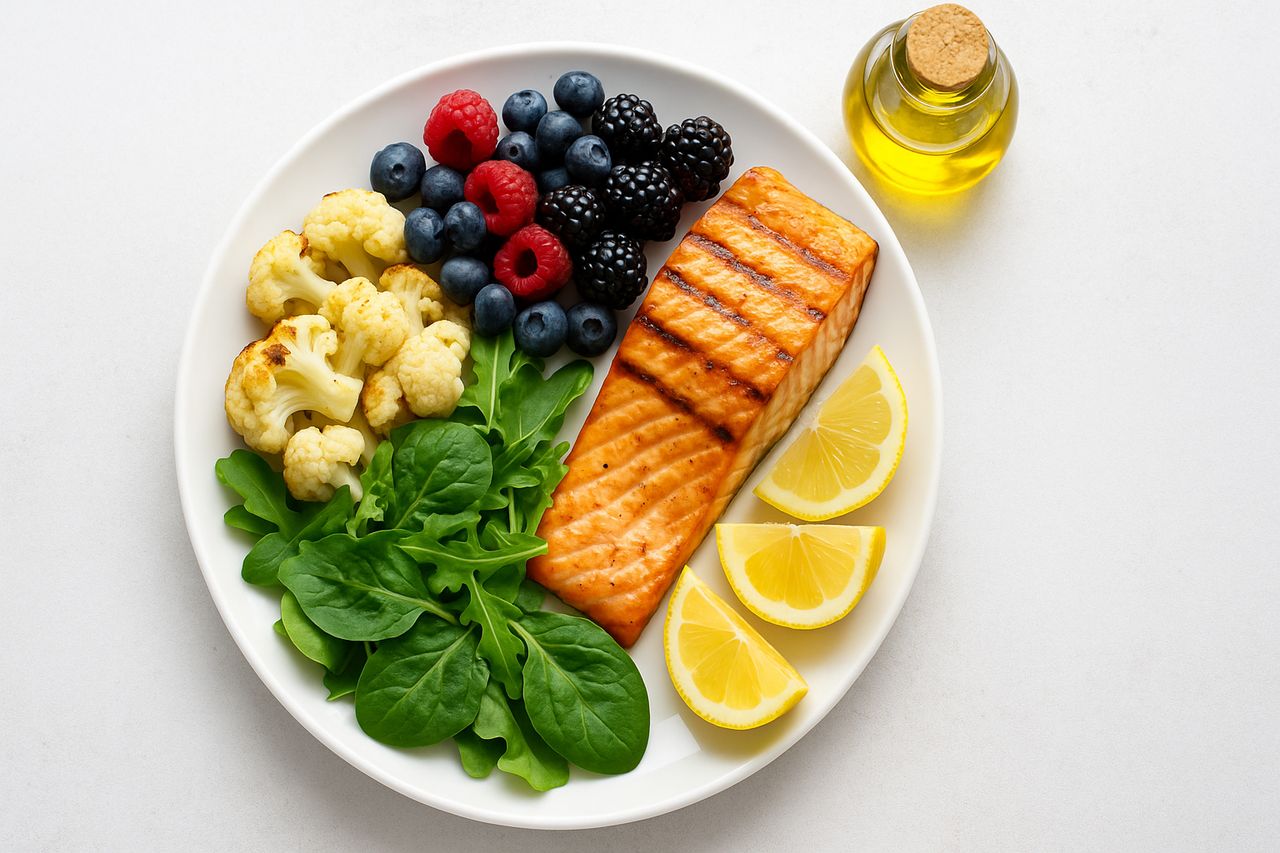
Best foods for kidney health: simple picks and a 1-day plan
TL;DR:
- Focus on plants, fish, and olive oil.
- Keep sodium low, mostly from home-cooked meals.
- Watch potassium, phosphorus, and protein if you have CKD.
- Use the DASH pattern for everyday eating.
- Read labels. Aim for low sodium per serving.
What your kidneys need
Your kidneys filter waste, balance fluids, and support blood pressure. Food choices help them do that job. A healthy pattern limits sodium, favors whole foods, and keeps protein in the right range for your health status. People with chronic kidney disease, called CKD, often need extra diet steps. Work with a registered dietitian if you have CKD.
The best everyday foods for kidney health
These picks support heart and kidney health for most adults. If you have CKD, see the notes that follow.
Fruit and veg, most of your plate
Aim for a rainbow. Berries, apples, grapes, cauliflower, cabbage, peppers, onions, and leafy greens bring fiber and antioxidants. They replace salty snack foods and help control blood pressure. The DASH plan highlights 4 to 5 daily servings each of fruit and vegetables.
Whole grains, in smart portions
Choose oats, brown rice, whole-grain bread, and barley. They add fiber that supports blood sugar control and a healthy weight, both good for your kidneys. If you have advanced CKD and have been told to limit potassium or phosphorus, your dietitian may suggest different grains or portion sizes.
Lean and plant proteins
Pick fish, skinless poultry, eggs, tofu, and beans. For many people, smaller portions of protein reduce strain on kidneys. People on dialysis often need more protein. Ask your care team how much is right for you.
Healthy fats and oils
Use extra-virgin olive oil as your main cooking fat. Add small amounts of nuts and seeds. Replace butter and fatty meats with unsaturated fats. This supports heart health, which protects kidneys.
Why DASH is a safe default
The DASH eating pattern is flexible and balanced. It centers vegetables, fruits, whole grains, low-fat dairy, beans, nuts, fish, and limits sweets and high-sodium foods. It lowers blood pressure, a top driver of kidney damage. If you need stricter limits for CKD, a dietitian can adapt DASH for you.
CKD-specific notes you should not skip
CKD needs are personal. Stages, labs, and treatments change the plan.
- Sodium. Most adults should stay under 2,300 mg per day. Many people with CKD need even less. Choose fresh foods, cook at home, and rinse canned items to remove extra salt.
- Salt substitutes. Do not use potassium-based salt substitutes unless your clinician says it is safe. They can raise potassium levels.
- Potassium and phosphorus. Your targets depend on labs. Some people must limit high-potassium foods or avoid phosphate additives in packaged foods. Check ingredient lists for “phos” words, like phosphoric acid.
- Protein. Too much protein can build up waste in the blood. Too little is not healthy either. Your stage and whether you are on dialysis set the goal.
[Related: How to talk to a renal dietitian ? /find-a-renal-dietitian]
Foods to limit to protect your kidneys
- Processed meats and salty foods. Bacon, sausage, deli meats, instant noodles, chips, and many restaurant meals are top sodium sources.
- High-sodium sauces. Soy, barbecue, and teriyaki sauces add fast sodium. Use citrus, herbs, and spices instead.
- Packaged foods with phosphate additives. Look for ingredients with “phos.” Choose versions without them.
- Sugar-sweetened drinks. They worsen blood sugar and add empty calories. DASH recommends limiting sweets and sugary drinks.
A simple 1-day kidney-friendly menu
This plan is for a healthy adult without CKD. If you have CKD, ask your dietitian for a tailored plan.
- Breakfast: Oatmeal cooked with water, topped with blueberries and a spoon of peanut butter. Black coffee or unsweetened tea.
- Lunch: Quinoa bowl with roasted cauliflower, peppers, cucumbers, olive oil, lemon, and grilled chicken.
- Snack: Apple with a small handful of unsalted almonds.
- Dinner: Grilled salmon, sautéed green beans with garlic, small baked potato, olive oil drizzle, side salad.
- Flavor boosts: Vinegar, herbs, spices, chili, lemon, and lime instead of salty sauces.
This menu follows DASH ideas and keeps packaged sodium low. Adjust portions to your calorie needs.
Quick label guide
Use this at the store to keep sodium and additives in check.
| What to check | Target or tip | Why it helps |
| Sodium per serving | Choose “low sodium.” A practical target is 140–240 mg or less per serving, and lower is better. | Keeps daily sodium closer to goal.n |
| % Daily Value for sodium | 5% or less is low. 20% or more is high. | Easy way to spot high-sodium items. |
| Ingredients list | Avoid words with “phos.” | Cuts phosphorus additives. |
| “No salt added” | Still check sodium on the label. | Some items still carry sodium. |
| Salt substitutes | Skip unless your clinician approves. | Many contain potassium chloride. |
[Related: Smart low-sodium swaps for pantry staples ? /low-sodium-pantry]
Common mistakes to avoid
- Thinking sea salt is “healthier.” It still counts as sodium.
- Using salty condiments at every meal. Aim for herbs, citrus, and spice.
- Switching to “low-sodium” products without reading for potassium chloride.
- Overdoing protein powders if you have CKD. Your kidneys must clear protein waste.
Why it matters
High blood pressure and diabetes drive most kidney damage. Eating patterns that lower sodium, control weight, and steady blood sugar protect your kidneys over time. A plant-forward, low-sodium plan like DASH is a solid base. If you have CKD, a dietitian can tune it to your labs and stage so you get the right protein, potassium, and phosphorus.
Sources:
- NIDDK, Healthy Eating for Adults with Chronic Kidney Disease, https://www.niddk.nih.gov/health-information/kidney-disease/chronic-kidney-disease-ckd/healthy-eating-adults-chronic-kidney-disease, accessed 2025-09-16.
- NHLBI, DASH Eating Plan, https://www.nhlbi.nih.gov/education/dash-eating-plan, last updated 2025-01-10, accessed 2025-09-16.
- CDC, Diabetes and Kidney Disease: What to Eat?, https://www.cdc.gov/diabetes/healthy-eating/diabetes-and-kidney-disease-food.html, last updated 2024-05-15, accessed 2025-09-16.
- National Kidney Foundation, Your Guide to the New and Improved Nutrition Facts Label, https://www.kidney.org/kidney-topics/your-guide-to-new-and-improved-nutrition-facts-label, last updated 2023-01-13, accessed 2025-09-16.


