How "Tribunal Justice" Went Mainstream: Syndication Deal Clears 95% of U.S. Markets
Tribunal Justice scores a syndication deal covering 95% of U.S. markets, redefining courtroom TV dominance.
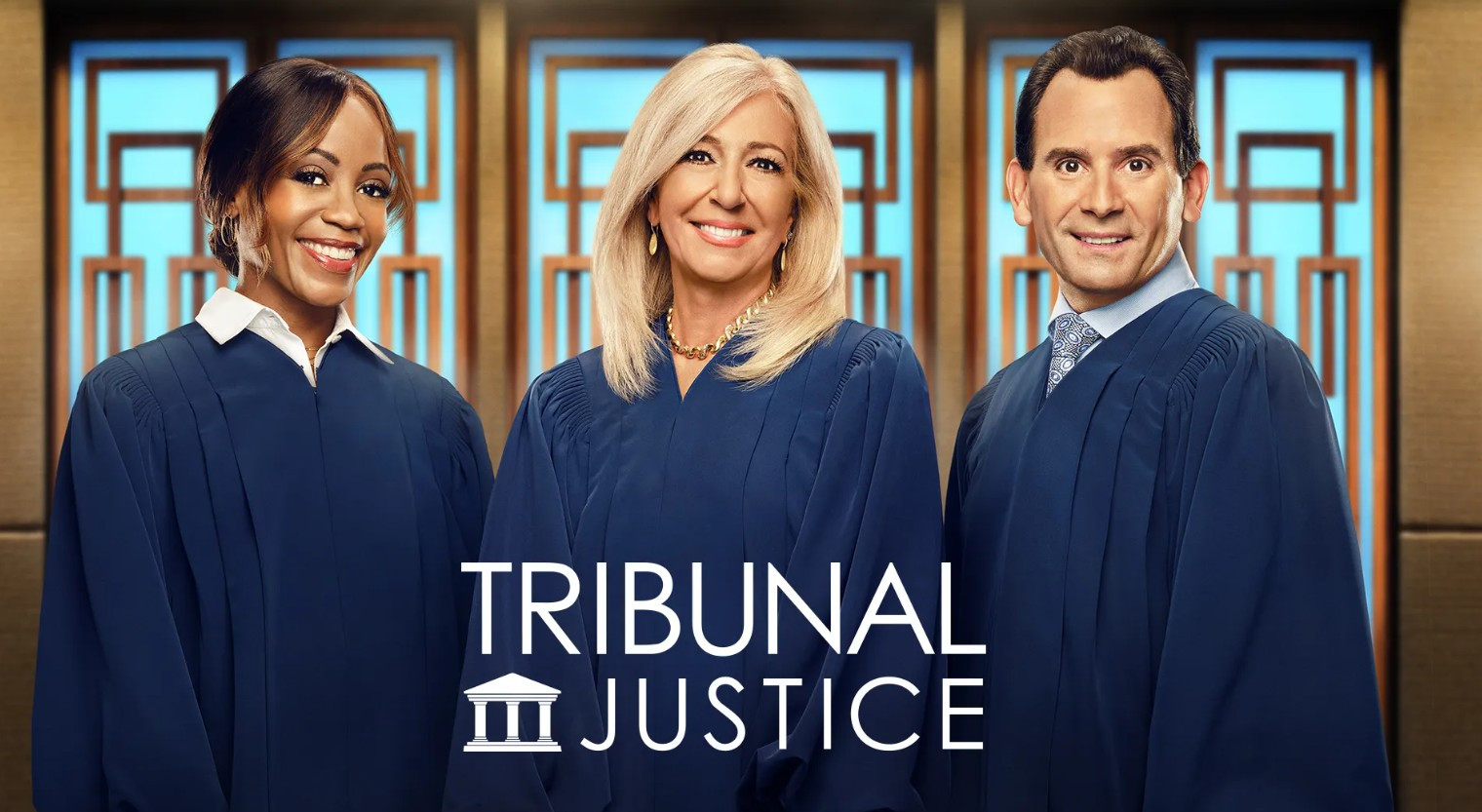
When “Tribunal Justice” launches in broadcast syndication on September 8, 2025, it won’t just be another courtroom show hitting network stations—it will arrive pre-cleared in nearly 95% of U.S. TV markets. That jaw-dropping clearance rate marks a turning point: a streaming-born series stepping into the syndication big leagues.
From Stream to Free-To-Air Superstar
“Tribunal Justice” began its life as a streaming courtroom experiment in June 2023, produced by Judge Judy Sheindlin and her team. The first three episodes dropped on Amazon Freevee, with daily new episodes through December. Later, Season 2 shifted to Prime Video in January 2025. Along the way, it racked up more than 210 episodes across its first two seasons—enough volume to satisfy syndication’s thirst for daily content. Meanwhile, the show was renewed for Season 3 well ahead of its syndication rollout, with an eye toward creating a library of around 300 episodes by fall 2025.
What the 95% Market Clearance Means
Scott Koondel’s Sox Entertainment—producer, distributor, architect of this syndication play—has clinched multi-year deals with major station groups like Nexstar, Gray, Sinclair, Tegna, Hearst, Sunbeam, Cox Media, Scripps, Weigel, Mission, News Press, and Marquee. That lineup covers nearly every corner of America—with stations from New York to San Francisco, Atlanta to Houston signing on. The syndication deal means millions more households will get access to “Tribunal Justice” in daily strips, without needing Prime Video or Freevee.
A Genre Transformed: Courtroom TV’s New Model
This isn’t Judge Judy’s reruns—it’s live, current, and original. “Tribunal Justice” features a panel of three judges—Patricia DiMango, Tanya Acker, and Adam Levy—with bailiffs Cassandra Britt and Petri Hawkins Byrd. Its format builds off the multi-judge deliberative style seen in earlier court shows but adds refreshed personalities and real legal debates. Ratings reports and user feedback show strong engagement: IMDb scores average around 6.9/10, while fans praise the chemistry among judges and the heft of debate. Though courtroom TV has long been a steady performer, few shows have managed to make the streaming-to-syndication leap so cleanly—or so quickly.
Strategic Timing and Legacy Leverage
The timing couldn’t be more strategic. Stations are losing established syndicated shows, and inventory is opening up. At the same time, “Judy Justice”—Sheindlin’s other court series—proved that streaming originals can succeed in syndication. With that predecessor serving as blueprint, “Tribunal Justice” is riding that momentum. Already renewed for Season 3, and with bold deals locked in with large station groups, it’s slated to be broadcast in households it didn’t reach streaming-only. It’s an evolution of courtroom TV where content built for digital platforms becomes mainstream broadcast fare.
Some might wonder whether the rapid build—95% clearance and hundreds of episodes—is too much too soon. But industry insiders see this move as proof that audience demand, production scale, and licensing savvy can converge in real time. With nearly 300 episodes over three seasons, “Tribunal Justice” has more than enough content to sustain daily broadcasts.
What It Means for Viewers and Competitors
- Viewers in most U.S. markets will see “Tribunal Justice” on broadcast TV without subscriptions.
- Local stations will likely pair it with “Judy Justice” or other courtroom offerings for blocks of legal entertainment.
- Competing syndicated court shows face pressure as this new format combines Sheindlin’s star power with premium production and timely legal drama.
In short, “Tribunal Justice” isn’t just joining syndication—it’s helping rewrite how court TV adapts in the streaming age.
Conclusion: With nearly 95% of U.S. markets cleared for syndication, hundreds of episodes produced, and momentum built by “Judy Justice,” “Tribunal Justice” is pushing open the door for streaming-first shows to dominate broadcast airwaves. The referee has blown the whistle—courtroom TV just raised the stakes.