How Season 3 of *Love Is Blind: Sweden* is Redefining the Reality Dating Playbook
Season 3 launches March 12, 2026 with tweaks to format, pacing, and production that mark a turning point.
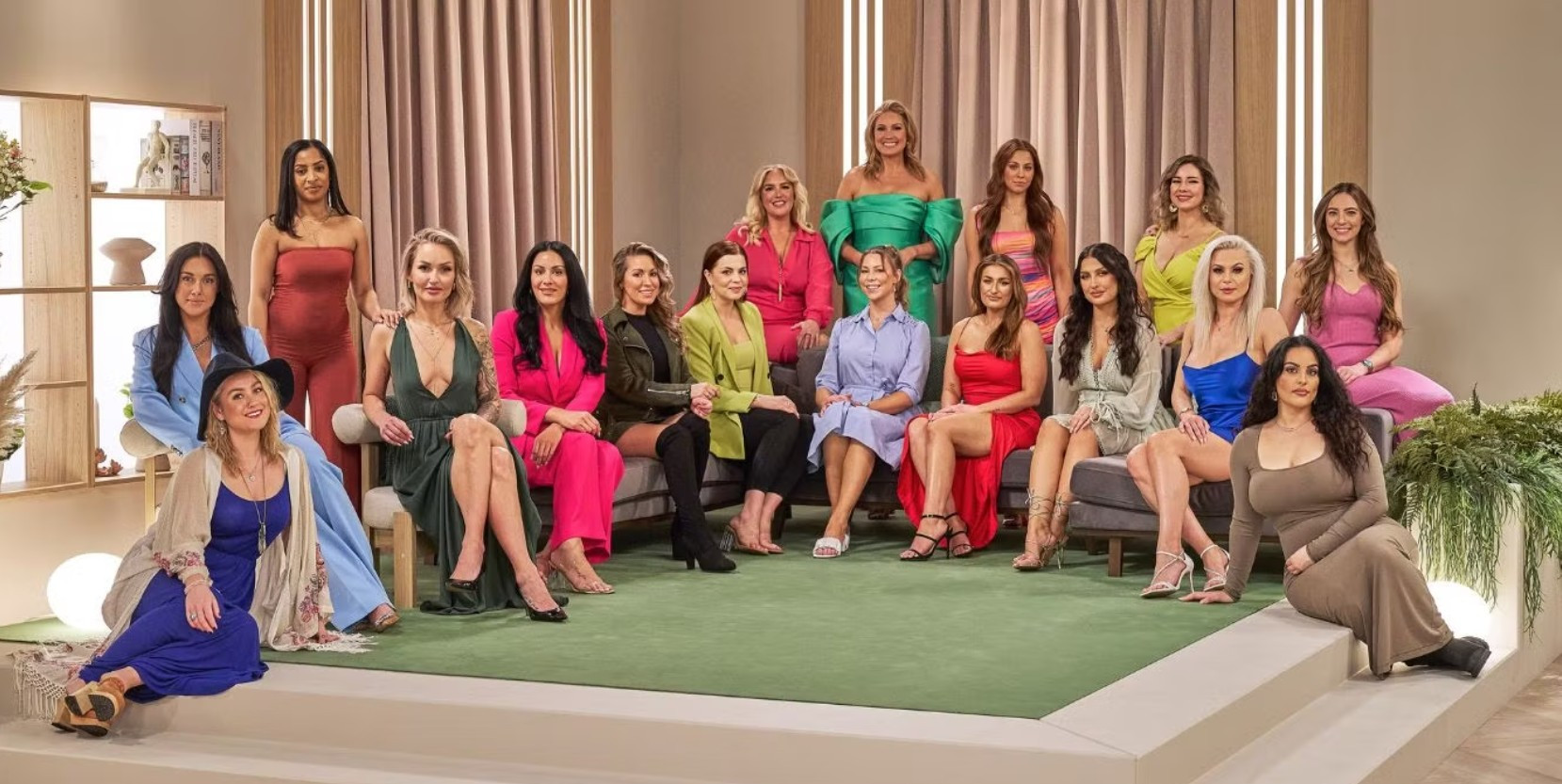
When Season 3 of *Love Is Blind: Sweden* premieres globally on Netflix on March 12, 2026, it won’t just recycle the pods-and-proposals formula—it’s evolving it. With tweaks in release structure, pacing, and casting strategies, the Swedish edition is quietly rewriting what reality dating shows can be.
New Pacing and Episode Drops: Building Momentum Differently
The most visible change in Season 3 lies in how Netflix rolls out the episodes. Instead of dropping all episodes at once or following single-episode premieres, the show separates itself into batches—4 episodes at launch, then 3 a week later, 2 more the following week, and a reunion special to close things out. This episodic drip, spread across ten episodes, creates staggered storytelling peaks designed to tease viewers while letting each moment sink in.
This rhythm departure from the first two seasons—each of which spanned 10 or more episodes released across three weeks—suggests that producers believe suspense compounds when viewers have time to discuss, debate, and sometimes binge in segments. The idea seems to be pushing for deeper engagement rather than just immediate streaming blitz.
Format Tweaks Without Ripping Up the Blueprint
At its core, *Love Is Blind: Sweden* remains a social-dating experiment: singles meet in pods, propose before ever seeing each other, then move in, plan a wedding, and face the altar. Jessica Almenäs returns as host, guiding participants through the emotional journey. The physical timeline follows a familiar arc—about five weeks of cohabitation before the wedding episode—to test whether emotional bonds survive real-world physical chemistry.
What’s changing are some finer calibration points. For example, there’s a more deliberate selection of contestants by geography, pulling in singles from across cities like Stockholm, Gothenburg, and smaller towns. Earlier seasons had around 30–32 participants; fabricating moments of contrast between urban and rural values adds texture. Ambiguity in early episodes—silent bodies of text about traditions and background—implies that the casting will heighten cultural and social differences more than before.
Audience Impact and the Stakes of Domestic Success
Seasons 1 and 2 were already strong performers in Sweden. The first season set viewership records for Swedish reality TV and the second managed to sustain those numbers upon its premiere. That gives Netflix reason to trust both the format and the audience’s appetite.
This domestic strength feeds into an international strategy too—*Love Is Blind* adaptations worldwide often serve as blueprints for what works globally. Sweden’s success shows that a more grounded, emotionally attuned edit—less sensationalist, more authentic—can punch through in a crowded reality-TV world.
Authenticity, Editing, and What Viewers Want
One of the subtle shifts Season 3 appears to embrace is in tone. Viewers have praised previous Swedish seasons for feeling more genuine: less about following cameras chasing conflict, more about seeing people reveal vulnerabilities. Comments on social media and fandom spaces suggest that production is leaning into quieter moments—more conversations, less cliffhanger music. Particularly compared to versions with exaggerated drama, these Swedish edits stand out for feeling lived-in.
That isn’t to say the show is shedding its entertainment backbone. Conflict is still part of the package—differences in expectations, physical chemistry, and post-pod realities still loom large—but they’re emerging as life issues like trust or values rather than just relationship theater. The shift likely responds to a growing audience fatigue with reality formats that feel performative rather than real.
What This Means for the Genre Going Forward
- Pacing experiments like staggered episode drops may become more common as producers chase long-tail engagement over short-term buzz.
- Regional authenticity reinforced through casting and less sensational editing may prove more sustainable than manufactured drama.
- International versions could inspire each other—elements from Sweden’s formula may be adopted globally, pushing back on assumptions that U.S. formats alone dictate reality TV norms.
- Viewer expectations may tilt toward emotional honesty and less spectacle. The genre runs the risk of redundancy if it doesn’t evolve.
Season 3 of *Love Is Blind: Sweden* won’t twitch the entire reality TV ecosystem overnight—but it signals a meaningful shift. Through pacing, casting nuance, and tone, it’s choosing to deepen its impact rather than amplify its noise. For anyone tired of love shows that feel staged, this could be the start of something better.