Mediterranean diet guide: food list, benefits, and easy swaps
The Mediterranean diet, made simple ClubRive …
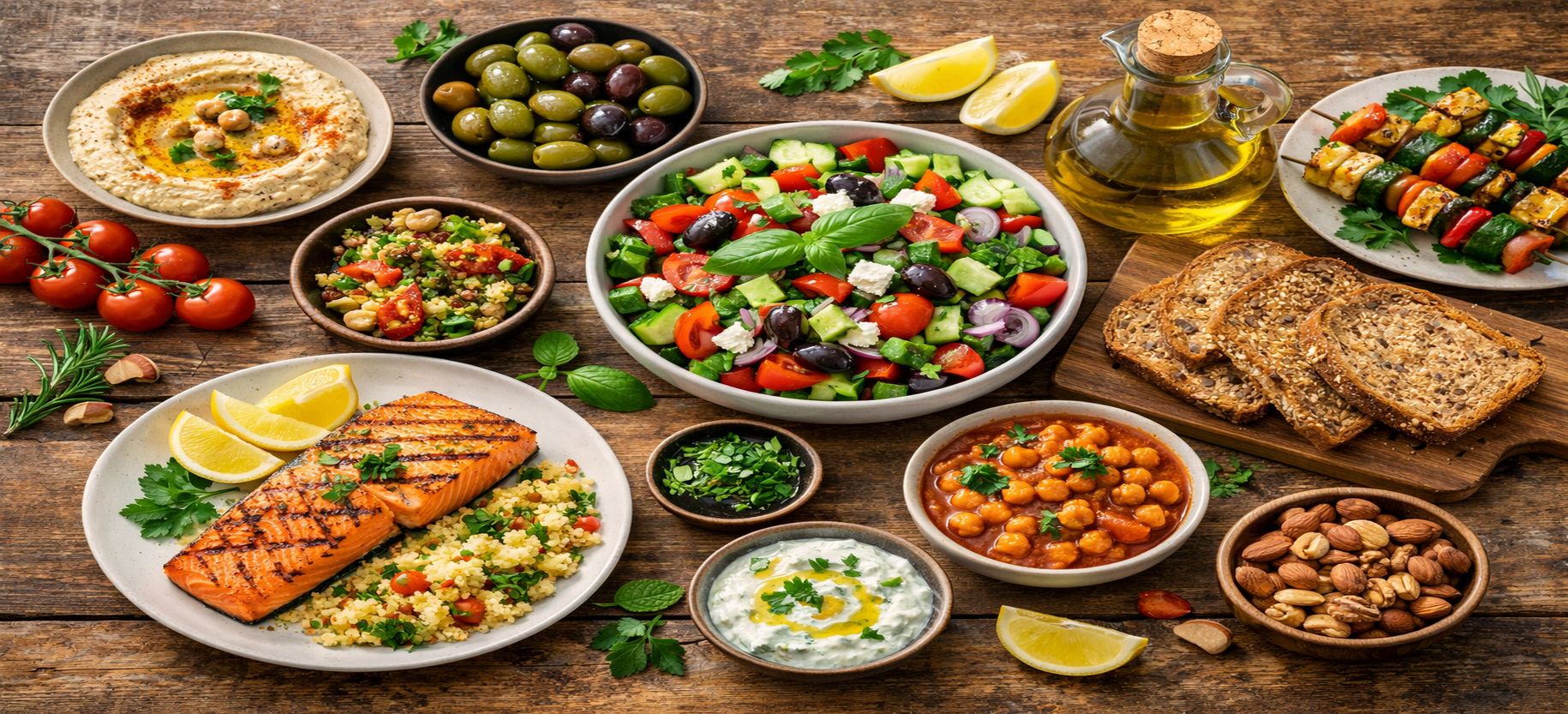
The Mediterranean diet, made simple
TL;DR:
- The Mediterranean diet is a plant-forward way of eating.
- It centers on vegetables, fruits, whole grains, legumes, nuts, and olive oil.
- Regular fish, less red meat, and fewer ultra-processed foods.
- Strong links to heart and longevity benefits in large studies.
- Use our 7-day plan, swap table, and checklist to get started now.
The Mediterranean diet is not a strict plan. It is a pattern from countries around the Mediterranean Sea. It favors plants, whole foods, and olive oil. It fits many budgets and cultures. You can follow it anywhere.
This guide explains what to eat, why it helps, and how to start today. It includes a swap table, a 7-day starter plan, and a short checklist.
What it is
The diet highlights whole, minimally processed foods. You will eat vegetables, fruits, beans, lentils, peas, whole grains, nuts, and seeds most days. Extra virgin olive oil is your main fat. Herbs and spices add flavor, not heavy sauces.
You eat fish and seafood often. You can include yogurt and cheese in small amounts. Eggs and poultry are fine in moderation. Red meat is rare. Sweets and ultra-processed foods are occasional.
There is no single official version. The core ideas are the same across trusted sources from Harvard and Mayo Clinic. The focus is on variety, seasonal produce, and home cooking.
Key health benefits
A large body of research supports this way of eating. Harvard’s Nutrition Source notes links to lower risk of heart disease, stroke, type 2 diabetes, and some cancers. It also supports healthy weight and better aging. These benefits show up in both observational and clinical studies, and across many countries, not only the Mediterranean.
Mayo Clinic explains that the diet improves heart health by replacing saturated fats with monounsaturated fats from olive oil and nuts. It also raises fiber intake, which helps lower LDL cholesterol and steady blood sugar.
Newer evidence keeps adding support. A cohort study of more than 25,000 women, published on 5 July 2024, found that higher adherence to a Mediterranean diet was tied to a 23 percent lower risk of death from any cause over up to 25 years. The authors linked part of the benefit to better inflammation, insulin resistance, and lipid profiles.
How it works in daily life
Think in food groups and defaults.
- Vegetables and fruits at most meals.
- Whole grains as your standard starch.
- Legumes several times per week.
- Nuts and seeds for snacks or toppings.
- Olive oil as your main cooking and salad fat.
- Fish or seafood two to three times per week.
- Fermented dairy, like yogurt, in small amounts.
- Herbs, spices, garlic, lemon, and vinegar for flavor.
- Water, coffee, or tea as your main drinks.
Wine with meals can fit some traditions. It is optional, not required. If you do not drink alcohol, do not start.
Simple swap table
| Instead of | Choose | Why it helps |
| Butter on toast | Extra virgin olive oil | More heart-healthy fats, helpful polyphenols |
| White bread | Whole grain sourdough or whole wheat pita | More fiber, steadier blood sugar |
| Sugary breakfast cereal | Oats with nuts and berries | Less added sugar, more fiber and antioxidants |
| Processed snack chips | A handful of mixed nuts | Better fats, more satiety |
| Creamy pasta sauce | Tomato, garlic, olive oil, basil | Lower saturated fat, more phytonutrients |
| Red meat burger | Grilled salmon or bean patty | Omega-3s or fiber-rich legumes |
| Soda | Sparkling water with lemon | Cuts added sugar and empty calories |
What to buy: quick checklist
- Vegetables, at least five colors each week.
- Fruits, fresh or frozen, no added sugar.
- Whole grains, such as oats, brown rice, quinoa, barley.
- Legumes, canned or dry, like chickpeas, lentils, beans.
- Nuts and seeds, unsalted.
- Extra virgin olive oil, look for harvest date if possible.
- Fish and seafood, fresh, frozen, or canned in olive oil or water.
- Plain yogurt and a small selection of cheeses.
- Eggs and poultry, modest amounts.
- Herbs, spices, garlic, onions, lemons, vinegar.
Print this list and take it to the store.
A 7-day starter plan
These are ideas, not rules. Adjust portions to your needs.
Day 1
Breakfast, Greek yogurt with oats, walnuts, and berries.
Lunch, Chickpea salad with cucumber, tomato, olive oil, and lemon.
Dinner, Baked salmon, roasted broccoli, and quinoa.
Snack, An apple and a few almonds.
Day 2
Breakfast, Avocado on whole grain toast with tomatoes.
Lunch, Lentil soup, side salad, whole wheat pita.
Dinner, Whole wheat pasta with tomato, garlic, and olives, side greens.
Snack, Carrot sticks with hummus.
Day 3
Breakfast, Oatmeal with chia seeds and sliced banana.
Lunch, Tuna salad with beans, arugula, and olive oil vinaigrette.
Dinner, Roast chicken thighs, ratatouille, and brown rice.
Snack, Pear and a few pistachios.
Day 4
Breakfast, Smoothie with spinach, frozen berries, yogurt, and flax.
Lunch, Quinoa bowl with roasted vegetables and feta.
Dinner, Shrimp with tomatoes and garlic, whole grain couscous.
Snack, Cucumber slices with tahini dip.
Day 5
Breakfast, Cottage cheese, sliced peaches, and pumpkin seeds.
Lunch, Tomato and white bean stew, whole grain bread.
Dinner, Grilled mackerel, lemony kale, and potatoes with olive oil.
Snack, Orange and a handful of walnuts.
Day 6
Breakfast, Scrambled eggs with spinach and mushrooms, whole wheat toast.
Lunch, Farro salad with cherry tomatoes, olives, and herbs.
Dinner, Vegetable tagine with chickpeas, served over bulgur.
Snack, Grapes and a few cashews.
Day 7
Breakfast, Yogurt parfait with granola and pomegranate seeds.
Lunch, Sardine and pepper open-face sandwich on rye.
Dinner, Eggplant and tomato bake with a side salad.
Snack, Dark chocolate, one or two squares.
Portion and plate tips
- Fill half your plate with vegetables.
- Use two to three tablespoons of olive oil across the day.
- Aim for at least 25 to 35 grams of fiber daily.
- Choose fish portions about the size of your palm.
- Enjoy fruit for dessert most days.
Protein choices
You will get protein from many sources. Beans, lentils, and peas support gut health. Nuts add protein and healthy fats. Fish and seafood provide omega-3 fats that benefit the heart and brain. Eggs and poultry can add variety. Keep red and processed meats to rare events.
Fats and oils
Extra virgin olive oil is central. It brings monounsaturated fats and polyphenols that support heart health. Use it for sautéing, roasting, and dressing. Save butter and cream for special dishes. Include a mix of nuts and seeds. Add olives to salads and grain bowls.
Carbs and fiber
Carbs are not the enemy. Choose whole grains. Pair them with vegetables, legumes, and olive oil. This slows digestion and keeps you full. Oats, barley, and rye are good for cholesterol. Brown rice and quinoa add texture and minerals.
Flavor without excess salt
Use herbs, spices, garlic, citrus, and vinegar. Toast spices in a dry pan for deeper flavor. Add lemon zest to brighten dishes. Taste before salting. Canned beans and vegetables are fine. Rinse them to reduce sodium.
Eating out and travel
Scan the menu for grilled fish, salads, and bean dishes. Swap fries for a side salad or mixed vegetables. Ask for olive oil and lemon instead of heavy sauces. Choose water or unsweetened tea. For travel, pack nuts, fruit, and whole grain crackers.
Frequently asked questions
Can I lose weight on this diet?
Yes, if your overall calories fit your needs. The focus on fiber and healthy fats helps you feel full. Many people lose weight without strict counting.
Is dairy allowed?
Yes, in small amounts. Choose plain yogurt and modest portions of cheese.
What if I do not eat fish?
Use legumes, nuts, seeds, and eggs for protein. Consider an algae-based omega-3 supplement after you speak with a clinician.
Is wine required?
No. If you do not drink alcohol, skip it.
Is this diet safe for people with diabetes?
It can help with blood sugar control because it emphasizes fiber and whole foods. Work with your clinician to set targets and adjust medications as needed.
Common mistakes to avoid
- Relying on white bread and refined pasta. Choose whole grains.
- Using olive oil, but keeping processed snacks and sweets. Cut those down.
- Forgetting beans. Aim for several legume meals each week.
- Eating fish rarely. Plan two or three fish meals per week.
- Overserving cheese. Keep dairy modest.
Why it matters
Heart disease and type 2 diabetes are common worldwide. A simple, flexible eating pattern can cut risk and improve quality of life. The Mediterranean diet offers that, backed by strong research across decades. It is practical, tasty, and family friendly. Small swaps add up over time.
5-minute starter plan for today
- Put olive oil by the stove and on the table.
- Plan two fish meals for the next 7 days.
- Buy three kinds of beans and two whole grains.
- Prep a big bowl of cut vegetables for snacks.
- Make a simple vinaigrette with olive oil and lemon.
Sources:
- Harvard T.H. Chan School of Public Health, Diet Review: Mediterranean Diet, https://nutritionsource.hsph.harvard.edu/healthy-weight/diet-reviews/mediterranean-diet/, accessed 22 January 2026.
- Mayo Clinic, Mediterranean diet for heart health, https://www.mayoclinic.org/healthy-lifestyle/nutrition-and-healthy-eating/in-depth/mediterranean-diet/art-20047801, updated 15 July 2023, accessed 22 January 2026.
- JAMA Network Open via PubMed Central, Mediterranean Diet Adherence and Risk of All-Cause Mortality in the Women’s Health Study, https://pmc.ncbi.nlm.nih.gov/articles/PMC11143458/, published 5 July 2024, accessed 22 January 2026.


