Tackling anemia with turkey berry: science, uses, safety
Tackling Anemia With Turkey Berry ClubRive …
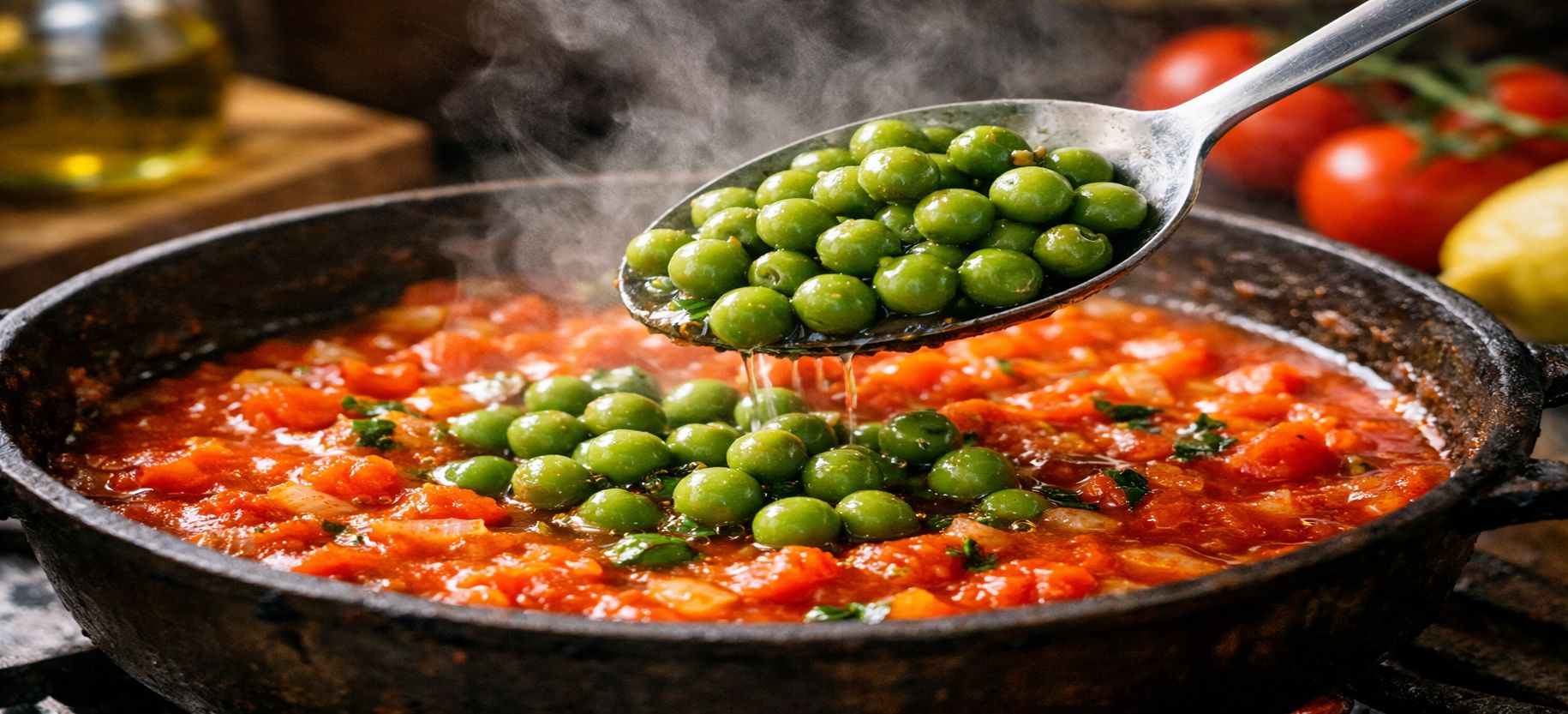
Tackling Anemia With Turkey Berry
TL;DR:
- Turkey berry is rich in minerals and antioxidants.
- A small Ghana trial found turkey berry biscuits raised hemoglobin in teen girls.
- Non-heme iron absorbs better with vitamin C and spacing from tea, coffee, and calcium.
- Use turkey berry as a side, stew, chutney, or blended sauce, not a sole treatment.
- If you have anemia, follow clinical advice on testing and iron supplements.
Turkey berry, Solanum torvum, is a small green fruit used in stews and relishes from West Africa to South and Southeast Asia. Many families use it for blood health. Here is what research says, how to cook it for iron support, and who should be careful.
Date updated: 2026-01-23.
The quick case for turkey berry
Two things matter with diet and anemia. First, your total iron intake. Second, how well you absorb that iron. Turkey berry offers minerals and polyphenols and fits into iron-smart meals. It should support, not replace, clinical care.
The World Health Organization says daily iron supplements lower the risk of anemia in girls and adult women. Diet helps, but supplements are often needed when deficiency exists.
What the research shows
Human data
In 2023, researchers in Ghana ran a cluster randomized pilot trial in adolescent girls. Schools received biscuits fortified with turkey berry powder or standard biscuits for several weeks. The turkey berry group showed a greater rise in hemoglobin and better scores on select cognitive tests. This was a small, early study, but it supports the idea that turkey berry can contribute to iron status when included in food.
Nutrition profile and variability
Turkey berry contains iron, potassium, calcium, and plant compounds. Reported iron values vary by soil, ripeness, and whether the lab measured fresh or dried fruit. Peer-reviewed analyses suggest iron in the berries often falls in the low single-digit milligrams per 100 grams on a dry weight basis, which is less when converted to fresh weight because berries are mostly water. Heat treatment like boiling does not appear to wipe out minerals, though methods differ.
Researchers also note that S. torvum leaves can have higher iron than the berries. Most people eat the berries, so use leaves only if they are part of your local cuisine and safely prepared.
How this fits with daily needs
Adults need about 8 to 18 mg of iron per day, and pregnant people need more. Plant iron is non-heme, so absorption is lower, but you can improve it with smart pairing.
How to use turkey berry for an iron-smart plate
Shopping and prep
- Pick firm, green clusters. Avoid yellow or soft berries.
- Rinse, remove stalks, and lightly crush with a pestle to open the skins.
- Soak 10 minutes, then rinse again to reduce bitterness.
Cooking ideas
- Tomato-onion stew. Simmer crushed berries with tomatoes, onions, garlic, and chili. Finish with a squeeze of lemon.
- Coconut curry. Blanch berries, then simmer in a light coconut milk curry with turmeric and mustard seeds. Add spinach at the end.
- Roasted salsa. Roast berries with tomatillos or green tomatoes, blend with cilantro and lime. Serve over beans and rice.
- Bean boost. Stir a handful of par-boiled berries into lentil dal or black-eyed peas during the last 10 minutes.
Portion idea: start with ½ to 1 cup cooked berries per serving as a side, within a mixed meal.
Absorption boosters
- Add vitamin C sources, like citrus, bell peppers, tomatoes, or guava, in the same meal.
- Cook in cast-iron when practical.
Inhibitors to space out
- Tea and coffee, wait 1 to 2 hours from iron-rich meals.
- Large calcium doses and high-calcium foods, space several hours from iron supplements.
These tips align with standard iron absorption guidance used by clinicians and public health sources.
Sample 10-minute add-on plan
- Breakfast: Oats with strawberries. Coffee 1 hour later.
- Lunch: Chickpea salad, lemon dressing, a side of turkey berry and tomato relish.
- Snack: Orange or guava.
- Dinner: Lentil stew with spinach, ½–1 cup braised turkey berry, whole grains.
Safety and who should be careful
Turkey berry is in the nightshade family. Like other Solanum foods, it contains steroidal glycoalkaloids. Poisoning episodes are rare from normal cooking, but high, unripe, or improperly prepared intakes have caused stomach upset and neurologic symptoms in case reports. Always cook the berries and avoid large raw amounts. People with chronic kidney disease, infants, and pregnant people should seek medical advice before using concentrated powders or extracts.
If you have diagnosed anemia, do not replace prescribed iron with herbs or berries. WHO supports daily iron supplements for at-risk groups like menstruating adolescents and adult women. Follow your clinician’s dose and schedule.
Simple checklist
- Confirm anemia type with a blood test.
- If prescribed, take iron as directed.
- Eat iron-rich meals, add vitamin C in the same meal.
- Include turkey berry 3 to 5 times per week if you enjoy it.
- Cook berries well, avoid large raw portions.
- Space tea, coffee, and high calcium from iron doses.
A quick comparison table
| Item, cooked | Iron type | Practical tip |
| Turkey berry, ½–1 cup | Non-heme | Pair with tomato or citrus to aid absorption. |
| Lentils, 1 cup | Non-heme | Add lemon, avoid tea at the same time. |
| Beef, 3 oz | Heme | Absorbs well, can also boost non-heme in the meal. |
Note: Reported iron numbers for turkey berry vary by region and test method. Focus on pattern and pairing, not a single number.
Why it matters
Anemia drains energy, learning, and work capacity. Food traditions can help. Turkey berry adds minerals and flavor to stews people already love. Used with vitamin C foods, and paired with tested iron therapy when needed, it can be one useful part of a simple plan.
Sources:
- Appiah AO et al., “The Effect of a Turkey Berry (Solanum torvum)-Fortified Biscuit on Hemoglobin and Cognitive Measures in Adolescent Girls,” Nutrients, 2023. https://pmc.ncbi.nlm.nih.gov/articles/PMC10611544/ (accessed 2026-01-23).
- World Health Organization, “Daily iron supplementation in adult women and adolescent girls.” https://www.who.int/tools/elena/interventions/daily-iron-women (accessed 2026-01-23).
- NIH Office of Dietary Supplements, “Iron, Fact Sheet for Health Professionals.” https://ods.od.nih.gov/factsheets/Iron-HealthProfessional/ (accessed 2026-01-23).
- Abraham JD et al., “Effect of Boiling on the Nutrient Composition of Solanum torvum,” 2022. https://onlinelibrary.wiley.com/doi/pdf/10.1155/2022/7539151 (accessed 2026-01-23).
- Smith SW, “Solanaceous steroidal glycoalkaloids and poisoning by Solanum torvum,” Clinical Toxicology review, 2008. https://pubmed.ncbi.nlm.nih.gov/18725244/ (accessed 2026-01-23).


