Home Strategies to Reduce Fatty Liver Naturally
Home Strategies to Reduce Fatty Liver Naturally ClubRive …
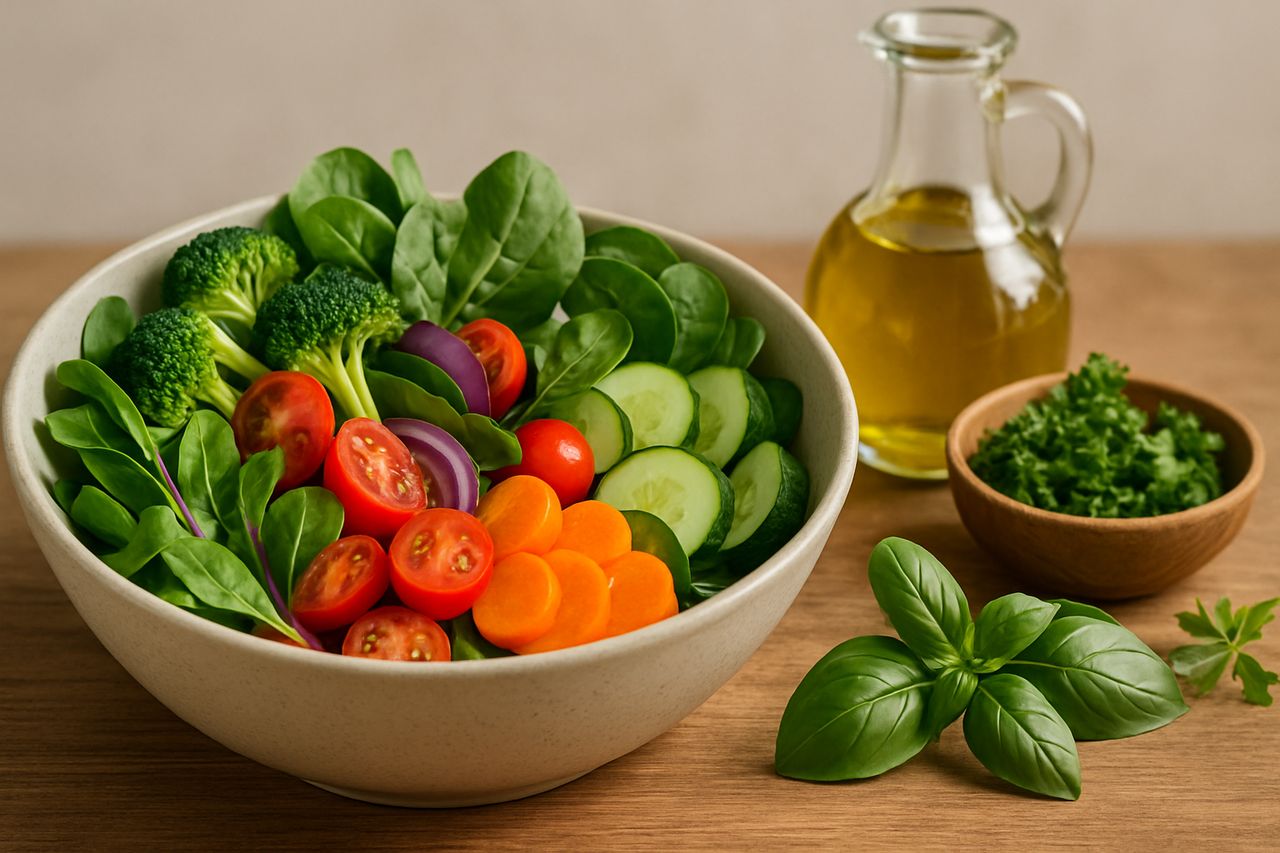
Home Strategies to Reduce Fatty Liver Naturally
TL;DR:
- Losing 5–10% of body weight often reduces liver fat and inflammation.
- Follow a Mediterranean diet: whole grains, lean proteins, healthy fats (e.g. olive oil), lots of vegetables.
- Do regular physical activity: both aerobic and resistance training help.
- Avoid excess sugar, saturated fat, alcohol; limit processed foods.
- Some herbal supplements (e.g. milk thistle / silymarin, green tea extract, curcumin, berberine) show promise—but use them cautiously, under guidance.
What is fatty liver and why care about reducing it
Non-Alcoholic Fatty Liver Disease (NAFLD) (also called MASLD / metabolic associated steatotic liver disease) is when fat accumulates in liver cells. Over time it can lead to inflammation, fibrosis (scarring), cirrhosis.
There is no single approved drug that cures NAFLD; the most effective interventions are lifestyle ones.
Home/Lifestyle Strategies to Reduce Fat in Liver
These are steps you can take at home. Always check with a healthcare provider, especially if you have other medical conditions.
1. Lose weight if overweight
- Losing 5?10% of your current body weight often leads to reduced liver fat, lowered liver enzyme levels, and less inflammation. Even 3–5% helps.
- Weight should come off gradually (e.g. 0.5-1 kg per week) using diet + exercise. Crash diets may harm liver or overall metabolism.
2. Adopt a liver-friendly diet
Some dietary patterns and specific foods are especially helpful:
- The Mediterranean diet is among the most evidence-backed dietary patterns for reducing liver fat.
3. Get regular physical activity
- Aerobic exercise (e.g. brisk walking, jogging, cycling) + Resistance (strength) training both help reduce liver fat and improve metabolism.
- Aim for ~150-300 minutes/week of moderate aerobic exercise, or 75-150 minutes of vigorous, depending on your fitness.
- Even without major weight loss, exercise alone helps reduce fat in liver and improve insulin sensitivity.
4. Manage associated conditions
- Control blood sugar if diabetic or pre-diabetic. Insulin resistance worsens liver fat.
- Lower cholesterol and triglycerides as needed.
- If hypertensive, keep blood pressure in a healthy range.
5. Herbs, supplements & other supportive strategies
Some plant-based compounds have scientific support; they may help but are adjuncts, not substitutes.
- Silymarin (milk thistle) appears promising in mild to moderate NAFLD.
- Green tea extract / catechins can reduce fat accumulation in animal and small human studies.
- Curcumin (turmeric), berberine, resveratrol show some benefit via reducing inflammation, oxidative stress, improving fat metabolism.
- Be cautious about dosage, potential interactions, quality of supplements. Prefer standardized extracts.
6. Lifestyle and behavior changes
- Avoid or quit alcohol if applicable. For alcohol-related fatty liver, complete cessation is essential. Even in NAFLD, alcohol may worsen damage.
- Ensure adequate sleep (quality sleep helps metabolic health).
- Manage stress (chronic stress can contribute to metabolic issues).
- Stay hydrated.
How quickly can improvements show up?
- Some improvements (lower liver enzymes, better fat metabolism) can be seen within few weeks to months of lifestyle change.
- More substantial changes (reduction in fat visible via imaging, regression of fibrosis) tend to happen over 6 months-1 year or more, depending on baseline severity.
When to see a doctor
- If you have symptoms like severe fatigue, yellowing of skin/eyes (jaundice), persistent abdominal pain, swelling, or any suspicion of fibrosis / worsening disease.
- If home measures don’t move biomarkers or imaging after several months.
- Also to test for other causes: viral hepatitis, metabolic disorders, iron overload, etc.
Why it matters
Fatty liver is common globally, often silent, but with potential for serious long-term consequences including cirrhosis, liver cancer, cardiovascular disease. Early intervention using home and lifestyle changes is low cost, low risk, and still among the best ways to reverse or slow disease progression.
Sources
- Healthline, “Natural Remedies for Fatty Liver Disease”, updated March 8, 2024. Healthline
- Michigan Medicine, “Reversing Non-Alcoholic Fatty Liver Disease with Food”. Michigan Medicine
- Gastroenterological Society / Scientific articles on lifestyle modification and exercise protocols. American Gastroenterological Association+2PMC+2
- Clinical reviews of herbal compounds: “Evidence-based herbal treatments in liver diseases” PMC
- Mayo Clinic, “Diagnosis and treatment of Nonalcoholic Fatty Liver Disease”. Mayo Clinic


