New food pyramid returns: what changed, what to eat now
The “new food pyramid,” explained ClubRive …
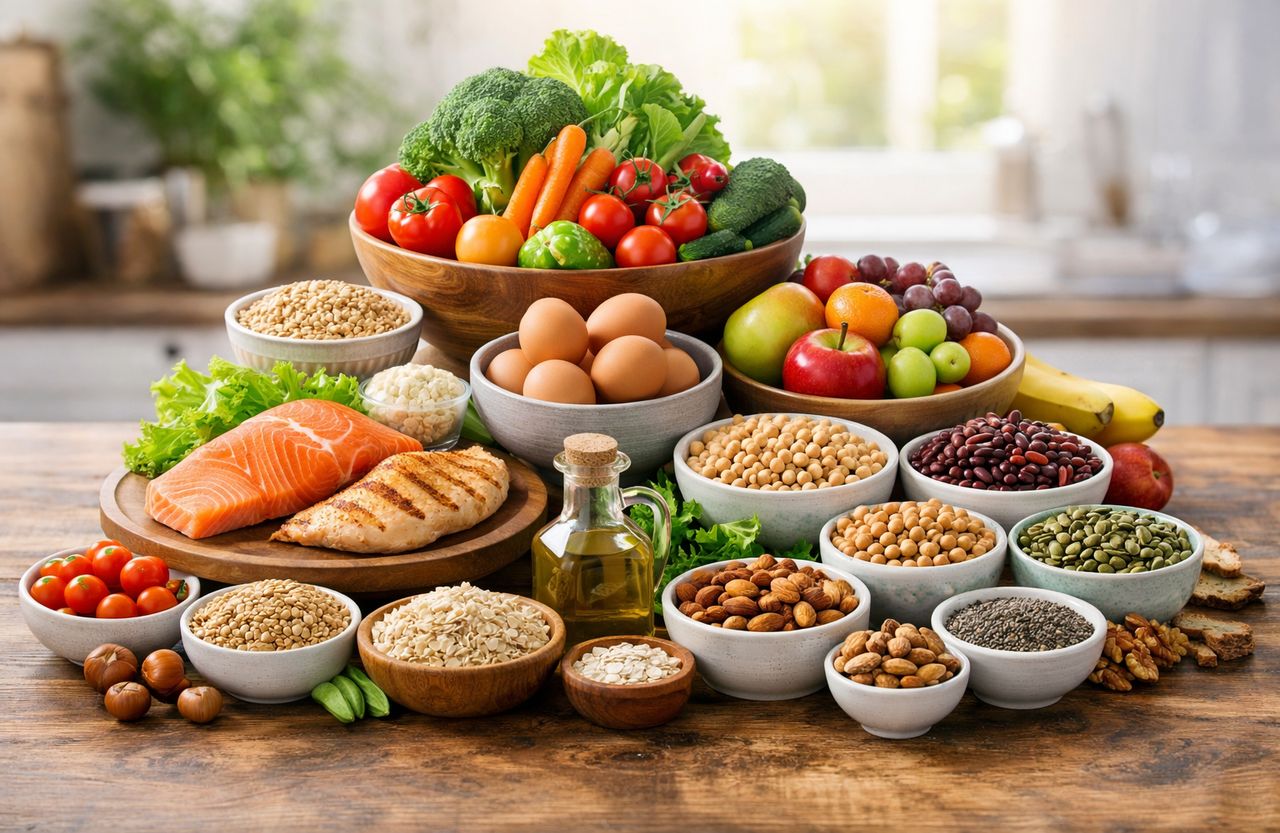
The “new food pyramid,” explained
TL;DR:
- The U.S. unveiled new 2025–2030 dietary guidelines on Jan 7, 2026, reviving a food pyramid image.
- Messages: eat “real” food, more protein, fewer ultra-processed foods, keep added sugar low.
- Critics warn the protein and fat tilt may clash with saturated-fat limits and heart health advice.
- WHO and several countries still center plants, whole grains, and low salt, sugar, and unhealthy fats.
- Bottom line: build meals around plants and minimally processed foods, add lean or plant proteins, and watch added sugars.
On January 7, 2026, the U.S. government released the Dietary Guidelines for Americans, 2025–2030, with messaging to “eat real food” and a revived food-pyramid graphic. The launch was led by Health and Human Services Secretary Robert F. Kennedy Jr. and USDA Secretary Brooke Rollins. The guidance calls for more protein, full-fat dairy without added sugar, plenty of vegetables and fruits, whole grains, and fewer highly processed foods. Alcohol advice was simplified to drink less.
Major outlets reported that an inverted pyramid image accompanied the rollout, emphasizing protein, dairy, vegetables, and fruits at the wide end, and pushing highly processed foods toward the tip. Coverage also highlighted a tougher stance on added sugar and refined carbs.
This shift has stirred debate. Some nutrition groups welcome the clear warning on ultra-processed foods. Others argue that promoting more animal protein and full-fat dairy may collide with long-standing limits on saturated fat and cardiovascular risk guidance.
What actually changed
1) Visual comeback of a pyramid. After years of “MyPlate,” the U.S. guidance reintroduces a pyramid visual to convey priorities. Officials say it helps people see what to eat often and what to limit. The new version centers whole foods and protein, with ultra-processed foods pushed to the smallest tier.
2) Protein pushed higher. The messaging urges protein at every meal. That includes animal and plant sources. Supporters say this may help with satiety and muscle health. Critics note the tension with saturated-fat limits if red meat and full-fat dairy increase. TIME reports the guideline keeps the familiar cap of saturated fat at about 10 percent of calories, which makes balance key.
3) Ultra-processed foods flagged. The guidance urges sharp cuts to highly processed foods rich in added sugar, refined starch, salt, and additives. This aligns with a growing global push to reduce these products.
4) Alcohol guidance simplified. Instead of numeric daily caps, the message is to drink less and that some groups should avoid alcohol altogether. Health organizations still warn that any alcohol raises some cancer risks, so “less is better” remains a prudent approach.
How this compares globally
The U.S. shake-up is not the only model. Around the world, most official guides still put plants first and discourage excess salt, sugar, and unhealthy fats.
- WHO promotes patterns high in vegetables, fruits, legumes, nuts, and whole grains, with limits on free sugars, salt, and saturated and trans fats.
- Switzerland uses a classic pyramid with water at the base, then vegetables and fruits, then grains and pulses, with animal foods and fats in moderate layers, and sweets and sugary drinks at the tip.
- Hong Kong teaches a similar pyramid: grains as the main fuel, lots of produce, moderate animal foods, and minimal fat, salt, and sugar.
- Mediterranean updates in 2025 from the Italian Society of Human Nutrition kept plant foods and extra-virgin olive oil at the foundation and call for less red and processed meat.
Takeaway: No matter the shape, global consensus still favors mostly plants, modest portions, and minimal added sugar and ultra-processing.
What to eat this week, in simple steps
Build your plate:
- Half plants. Fill half your plate with vegetables and fruit. Fresh, frozen, or no-salt canned are fine. Aim for color and variety.
- Quarter protein. Choose fish, beans, lentils, tofu, eggs, poultry, or small portions of lean meat. Rotate plant proteins several times a week.
- Quarter whole grains. Go for oats, brown rice, barley, whole-wheat roti or bread, quinoa, or millet.
- Healthy fats. Cook with oils high in unsaturated fats, like olive or canola. Include nuts and seeds. Balance any butter or tallow with your overall saturated-fat target.
- Drink water. Keep sugary drinks rare. Tea or coffee is fine with little or no sugar.
Limit:
- Ultra-processed snacks and sweets.
- Refined grains like white bread and many packaged pastries.
- High-sodium instant meals.
- Alcohol, or avoid it.
A quick “new pyramid” checklist
| Goal | Daily target | Easy swaps |
| Vegetables + fruit | 5+ servings | Add a salad and a fruit snack |
| Protein | Include each meal | Beans or eggs at breakfast, legumes at lunch, fish or tofu at dinner |
| Whole grains | Most grains whole | Switch to brown rice or whole-wheat roti |
| Added sugar | Keep low | Water instead of soda, fruit for dessert |
| Sodium | Go lower | Rinse canned beans, choose no-salt versions |
| Alcohol | Less is better | Choose mocktails, sparkling water with citrus |
Where experts disagree
- Protein emphasis. Supporters say more protein aids fullness, weight control, and muscle health. Skeptics warn a meat-heavy shift can push saturated fat beyond safe levels if not managed. TIME notes the guideline still cites the 10 percent cap, but balancing that with more red meat or full-fat dairy can be hard. Plant proteins help solve this.
- What counts as ultra-processed. The term varies across research and policy. The U.S. guidance urges reducing foods “laden with refined carbohydrates, added sugars, excess sodium, unhealthy fats, and chemical additives,” but it does not pin down a single classification system. That can confuse shoppers. The practical fix is to favor short-ingredient-list foods and basic staples.
How it affects you
- Shopping. Expect more “high protein” and “minimally processed” claims. Read labels. Choose foods with whole ingredients you recognize.
- Schools and programs. U.S. guidance shapes menus for programs like school meals and SNAP. Changes may shift offerings toward less sugar and fewer ultra-processed items.
- Global readers. Your country’s guide may still look like a classic pyramid or a plate, but the shared core is the same: more plants, fewer sugary drinks and ultra-processed foods, and smart fat choices.
What happens next
Agencies will translate the guideline into standards for federal nutrition programs and educational materials. Researchers and medical groups will keep debating protein targets, dairy fat, seed oils, and alcohol. Consumers should focus on what all sides agree on: more whole foods, more plants, less sugar, and fewer highly processed products.
Why it matters
Diet-related disease drives medical costs, lost productivity, and lower quality of life worldwide. Clear, simple guidance can help families cook more, rely less on sugary and ultra-processed foods, and put more plants and smart proteins on the plate. The shape of the graphic matters less than the shopping list it inspires.
Sources:
- USDA, “Kennedy, Rollins Unveil Historic Reset of U.S. Nutrition Policy, Put Real Food Back at Center of Health,” Jan 7, 2026. https://www.usda.gov/about-usda/news/press-releases/2026/01/07/kennedy-rollins-unveil-historic-reset-us-nutrition-policy-put-real-food-back-center-health
- The Guardian, “Trump administration releases updated dietary guidelines: ‘Eat real food’,” Jan 7, 2026. https://www.theguardian.com/us-news/2026/jan/07/trump-administration-dietary-guidelines-rfk-jr
- TIME, “New Dietary Guidelines Urge People to Eat More Protein and Fewer Processed Foods,” Jan 7, 2026. https://time.com/7344593/new-dietary-guidelines-protein-processed-foods/
- WHO, “Healthy diet,” updated 2025. https://www.who.int/health-topics/healthy-diet
- WHO Europe, “Nutrition for a healthy life,” July 18, 2025. https://www.who.int/europe/news-room/fact-sheets/item/nutrition—maintaining-a-healthy-lifestyle
- FAO, “Food-based dietary guidelines, Switzerland.” https://www.fao.org/nutrition/education/food-dietary-guidelines/regions/countries/switzerland/en/
- Hong Kong CHP, “The Food Pyramid – A Guide to a Balanced Diet,” Jan 15, 2024. https://www.chp.gov.hk/en/static/90017.html
- Italian Society of Human Nutrition via IUNS, “New Mediterranean diet pyramid,” June 11, 2025. https://iuns.org/2025/06/the-italian-society-of-human-nutrition-releases-a-new-mediterranean-diet-pyramid-to-promote-healthier-eating/


