Plant-forward & sustainable eating: simple swaps with big impact
Plant-Forward & Sustainable Eating ClubRive …
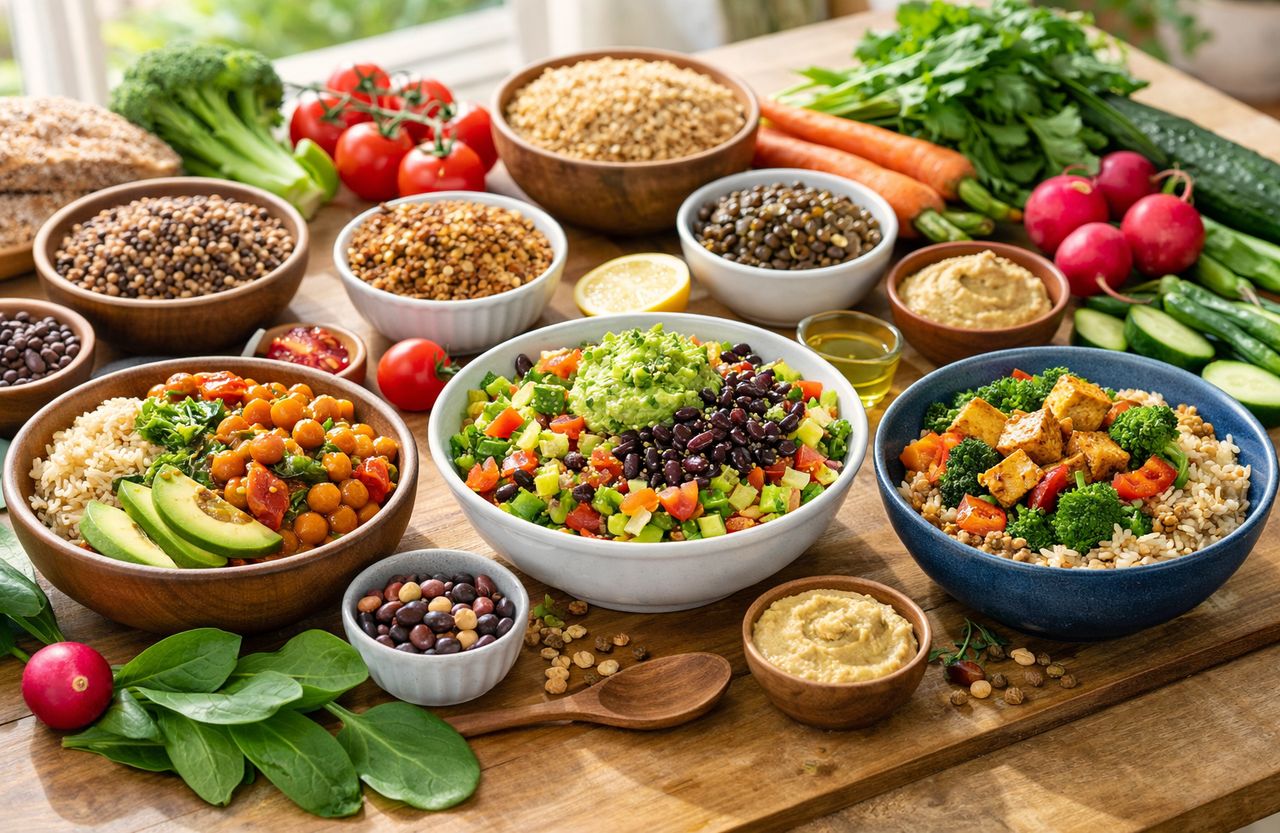
Plant-Forward & Sustainable Eating
TL;DR:
- Plants first, animal foods smaller, highly processed foods less often.
- Swap beef once or twice a week for beans, tofu, or chicken.
- Fill half your plate with plants, add whole grains, include healthy fats.
- Freeze extras, plan meals, and use leftovers to cut food waste.
- Start small, track wins, and build steady habits.
Plant-forward eating puts plants at the center of your plate. You still can enjoy animal foods, just in smaller amounts. Think beans, lentils, whole grains, vegetables, fruits, nuts, and seeds as the base. The World Health Organization lists these foods as core parts of a healthy diet.
Why shift toward plants
A plant-heavy plate is good for your body and the planet.
Health. Diets rich in vegetables, fruits, whole grains, legumes, and nuts link with lower risk of heart disease and some cancers, according to WHO guidance. These foods give fiber, key vitamins, and minerals. Limit salt, added sugar, and saturated fat.
Climate. The climate impact of food varies a lot. Our World in Data shows beef and lamb have far higher greenhouse gas footprints than plant proteins. Even best-in-class beef is higher than most plant options. Shifting some meat meals to beans, lentils, or tofu cuts emissions fast.
Waste. Cutting food waste is one of the easiest wins. The UN Environment Programme’s 2024 Food Waste Index estimates about 19 percent of food was wasted in 2022, most at home. Reducing waste saves money and reduces methane from landfills.
A simple plate model
Use the “50-25-25” guide for any cuisine.
- 50 percent non-starchy vegetables and fruits.
- 25 percent whole grains like brown rice, millet, oats, or whole-grain flatbreads.
- 25 percent protein, favoring beans, lentils, tofu, tempeh, peas, or modest portions of fish, eggs, or poultry.
Add a thumb of healthy fat like olive oil, rapeseed oil, avocado, or nuts. This mirrors WHO’s healthy diet advice and is flexible across cultures.
Smart swaps with outsized benefits
You do not need to go vegan to make a difference. Try these low-effort substitutions.
- Trade one beef meal this week for a bean-based chili, chana masala, or lentil stew. Our World in Data estimates this swap can cut the meal’s footprint many times over.
- Use yogurt or tofu in place of cream in sauces.
- Build bowls with a grain base, mixed vegetables, a plant protein, and a tasty sauce.
- Choose chicken or eggs over beef when you want animal protein. It usually has a lower footprint.
- Make half your snacks fruit, nuts, or hummus with vegetables.
Budget-friendly tips across regions
Prices and access vary. These ideas work in most places.
- Buy staples in bulk. Dried beans, lentils, millet, rice, and oats are low cost per serving.
- Cook once, eat twice. Double recipes and freeze portions.
- Use local and seasonal produce. It is often cheaper and fresher.
- Choose frozen vegetables and fruit when fresh is costly. Nutrition stays high, waste is lower.
- Explore regional plant proteins. Examples include black-eyed peas in West Africa, mung beans in South Asia, lupini in parts of the Middle East and Mediterranean, and tempeh in Southeast Asia.
How to reduce food waste at home
Food waste drains money and adds emissions. These steps help most households.
- Plan 3 to 5 dinners each week. Shop with a list.
- Store smart. Keep ready-to-eat foods at eye level. Label leftovers with dates.
- Freeze extras in single portions. Bread, cooked grains, and ripe fruit freeze well.
- Use the “eat me first” box in your fridge for items that need quick use.
- Cook “clear-out” meals every week, like fried rice, frittata, or soup.
UNEP’s 2024 report found households create the largest share of food waste worldwide, so home action matters.
Quick waste-cutting checklist
- Make a short meal plan and a shopping list.
- Learn basic fridge zones and use airtight containers.
- Batch-cook grains and beans, freeze portions.
- Turn scraps into stock, sauces, or stir-fries.
- Track what you toss for two weeks, then adjust buys.
A one-week starter plan
Try this flexible seven-day frame. Swap dishes to match your culture and pantry.
Day 1, Beans and grains. Make a pot of lentils with tomatoes, onions, and spices. Serve with brown rice and greens.
Day 2, Chicken, plenty of plants. Roast a tray of vegetables. Add a small portion of chicken or tofu. Use herbs and lemon.
Day 3, Pasta night. Whole-grain pasta with a vegetable-heavy sauce. Add white beans for protein.
Day 4, Fish or eggs. Grilled fish or a tomato-pepper egg shakshuka. Side salad and whole-grain flatbread.
Day 5, Stir-fry. Tofu or tempeh with mixed vegetables over rice or millet. Use soy, ginger, and chili.
Day 6, Leftover remix. Wraps, grain bowls, or fried rice using the week’s leftovers.
Day 7, Family favorite, lighter. Your comfort dish, but with half the meat, double the vegetables.
Protein options and how to use them
- Beans and lentils. Great in soups, curries, burgers, bowls, and salads. Soak beans for quicker cooking.
- Soy foods. Tofu and tempeh take on sauce flavors. Press tofu, then pan-sear for texture.
- Whole grains. Millet, sorghum, quinoa, brown rice, oats, and bulgur add fiber and minerals.
- Nuts and seeds. Peanut, sesame, and sunflower pastes make quick sauces.
- Animal foods as accents. Use small amounts of cheese, meat, or fish to season plant-rich meals.
Common mistakes to avoid
- Changing everything at once. Start with one or two swaps per week.
- Forgetting protein. Add beans, lentils, tofu, or eggs to plant-heavy plates.
- Skipping healthy fats. A bit of oil, nuts, or seeds improves taste and fullness.
- Overbuying fresh produce. Buy less, shop again midweek if needed.
- Complex recipes every night. Repeat simple, tasty meals.
A quick reference table for swaps
How to build lasting habits
- Set one clear goal, like “two plant-based dinners each week.”
- Keep a list of go-to meals your household likes.
- Stock a “fast dinner” shelf with cans of beans, tomatoes, whole-grain noodles, and spices.
- Share wins with family or friends to stay motivated.
Why it matters
Food choices add up across a year. Replacing even a few red meat meals with plant proteins reduces emissions and supports better health. Cutting waste saves money in every region. It also lowers methane from landfills and reduces pressure on land and water. WHO promotes plant-rich patterns for public health. Our World in Data shows the big climate gap between beef and plant proteins. UNEP’s 2024 report shows how much food we can save at home. Together, these steps move us toward healthier people and a healthier planet.
Sources:
- World Health Organization, Healthy diet factsheet, https://www.who.int/news-room/fact-sheets/detail/healthy-diet, 2020-04-29
- Our World in Data, The carbon footprint of foods and protein comparisons, https://ourworldindata.org/carbon-footprint-food-methane, 2020-03-10
- United Nations Environment Programme, Food Waste Index Report 2024, https://www.unep.org/resources/publication/food-waste-index-report-2024, 2024-03-27


