Fight Stress and Anxiety: Simple Daily Steps That Work Now
Fight Stress and Anxiety: Simple Daily Steps That Work Now ClubRive …
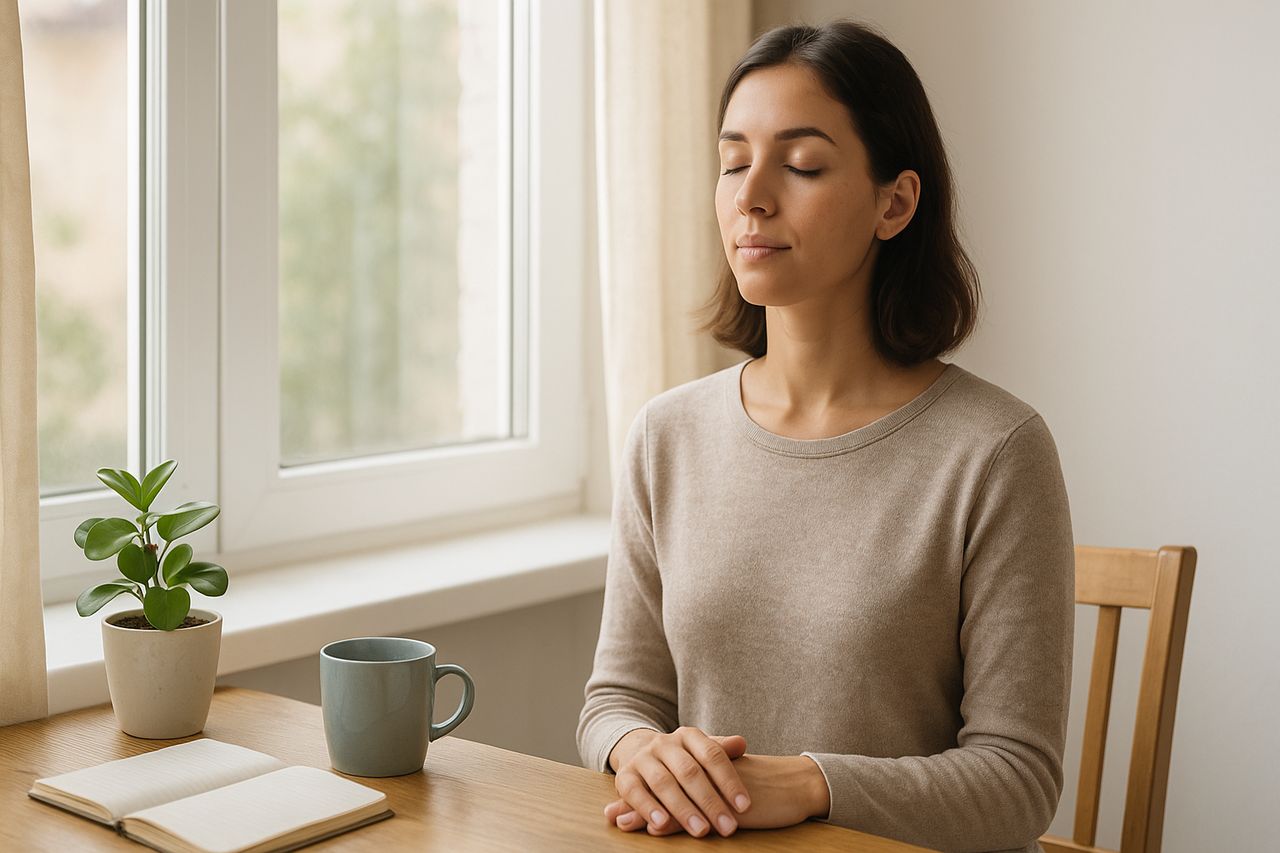
Fight Stress and Anxiety: Simple Daily Steps That Work Now
TL;DR:
- Treat stress and anxiety as signals, not failures.
- Use a 60-second reset: slow breathing, eye soften, body scan.
- Move daily, protect sleep, and limit caffeine and alcohol.
- Reframe worry, act on values, and lean on trusted people.
- Seek care if symptoms persist or disrupt daily life.
Start here: quick facts
Stress is a response to a challenge. Anxiety is persistent fear or dread that can linger even without a clear threat. When worry sticks, or blocks daily life, it is time to act. NIMH explains the difference and notes that persistent anxiety may need treatment.
Good news, there are simple steps that calm your body and mind. WHO’s practical guide offers skills you can learn and repeat in minutes.
A 60-second reset you can use anywhere
- Sit or stand tall, feet on the floor.
- Inhale through your nose for 4 seconds, pause 1, exhale gently for 6. Repeat 6 to 10 times. Slower breathing nudges the body toward calm.
- Soften your gaze, notice five things you can see, four you can feel, three you can hear.
- Name the moment, for example, “Here, now, breathing.” WHO teaches present-moment skills that lower stress when practiced daily.
Daily habits that lower stress and anxiety
Move your body
Aim for regular physical activity you enjoy, like brisk walking, cycling, or dancing. NIMH notes that exercise can reduce anxiety symptoms and boost therapy results. Start small and build up.
Protect your sleep
Keep a steady sleep and wake time. Make your room cool, dark, and quiet. Power down screens at least 30 minutes before bed. Avoid big meals and alcohol near bedtime, and skip caffeine late in the day. CDC lists these steps as core sleep hygiene. Better sleep improves mood and stress tolerance.
Eat and drink for calm
Regular meals help steady energy. Go easy on caffeine, which can raise jittery feelings. Limit alcohol, which can disrupt sleep and mood. NIMH advises these simple diet shifts alongside care.
Train your attention
Mindfulness and brief breathing practice help you notice thoughts without getting hooked by them. WHO’s guide teaches easy, repeatable skills with audio exercises. Two to five minutes a few times a day works well.
Reframe worry
Catch the thought, “I will fail,” and test it. Ask, what is the evidence, what else could be true, what small step can I take. This is a core idea in cognitive strategies used in therapy and self-help resources from NIMH.
Act on your values
Pick one small action that matches what matters to you, for example, send a kind message, walk outside, or start a hard task for five minutes. Values-based action is a WHO skill that builds steadiness over time.
Connect on purpose
Share how you feel with someone you trust. Ask for one concrete help, for example, a check-in call or a short walk. NIMH highlights the value of support alongside other steps.
A simple plan you can follow
| Time | What to do | Why it helps |
| Morning | 5 minutes of slow breathing, short stretch | Calms body, sets tone. |
| Midday | 10–20 minutes brisk walk | Movement eases anxious feelings. |
| Afternoon | Caffeine cutoff | Reduces evening jitters. |
| Evening | Screen-off 30 minutes before bed | Protects sleep quality. |
| Anytime | Name the moment, act on a value | Builds focus and control. |
Self-help tools that work
- Mindful audio or apps. Use guided breathing or a body scan for 5 minutes. WHO offers free audios linked from its guide.
- Thought record. Write the situation, the worry, the evidence for and against, and a balanced alternative. NIMH promotes identifying and challenging unhelpful thoughts.
- Sleep diary. Track bedtimes, screens, caffeine, and awakenings for 1 to 2 weeks. CDC suggests this when sleep is a problem.
When self-help is not enough
Seek professional help if any of these are true:
- Anxiety lasts weeks, or keeps you from work, school, or caring for yourself.
- You avoid key tasks or places because of fear.
- You cannot sleep for several nights in a row despite good sleep habits.
NIMH notes that effective treatments include psychotherapy, often cognitive behavioral therapy, and medications such as SSRIs or SNRIs. A clinician can help you choose and combine options.
Crisis and safety
If you have thoughts of harming yourself or others, or feel unsafe, call your local emergency number now. Examples include 112, 911, or 999. If available in your country, contact a crisis helpline or text service. NIMH advises reaching out immediately in these situations.
Common mistakes to avoid
- Waiting for motivation before acting. Do one tiny step, then the next.
- Chasing perfect sleep. Aim for a steady routine instead. CDC says consistency matters most.
- Overusing caffeine or alcohol to cope. These often worsen anxiety and sleep. NIMH recommends limits.
- Going it alone. Share your plan with a friend or clinician.
Why it matters
Stress and anxiety touch every part of life. Simple skills, practiced often, change the body’s stress response and shape habits that protect mood and sleep. WHO, NIMH, and CDC all point to repeatable skills, regular movement, and steady sleep as reliable ways to feel better.
[Related: Build a calming evening routine ? https://clubrive.example/evening-routine]
[Related: Beginner’s guide to CBT tools ? https://clubrive.example/cbt-tools]
Quick checklist
- I practiced slow breathing today.
- I moved my body for at least 10 minutes.
- I cut caffeine after midday.
- I turned off screens 30 minutes before bed.
- I did one small action that matched my values.
- I told someone how I am doing.
- I will call a clinician if symptoms persist.
Sources:
- World Health Organization, Doing What Matters in Times of Stress: An Illustrated Guide, https://www.who.int/publications-detail-redirect/9789240003927, published 2020-04-29.
- National Institute of Mental Health, Generalized Anxiety Disorder: What You Need to Know, https://www.nimh.nih.gov/health/publications/generalized-anxiety-disorder-gad, last reviewed 2024-12-01.
- Centers for Disease Control and Prevention, About Sleep, https://www.cdc.gov/sleep/about/index.html, updated 2024-05-15.


