Measles symptoms
TL;DR:
- First signs appear 7–14 days after exposure, usually fever, cough, runny nose, red eyes.
- Small white mouth spots can show 2–3 days into illness.
- The rash starts on the face or hairline, then spreads down over 3 days.
- You are contagious from 4 days before to 4 days after rash onset.
- Call urgent care for trouble breathing, confusion, seizures, dehydration, pregnancy, or infants under 6 months.
Measles often starts like a bad cold. The first symptoms usually arrive 7 to 14 days after you were exposed. Fever is common and can be high. A dry cough, runny nose, and red, watery eyes follow. The Centers for Disease Control and Prevention describes this early stage as the prodrome.
Two to three days into the illness, tiny white or bluish spots can appear inside the mouth. These are called Koplik spots. They look like grains of salt on a red base and are a key clue for clinicians.
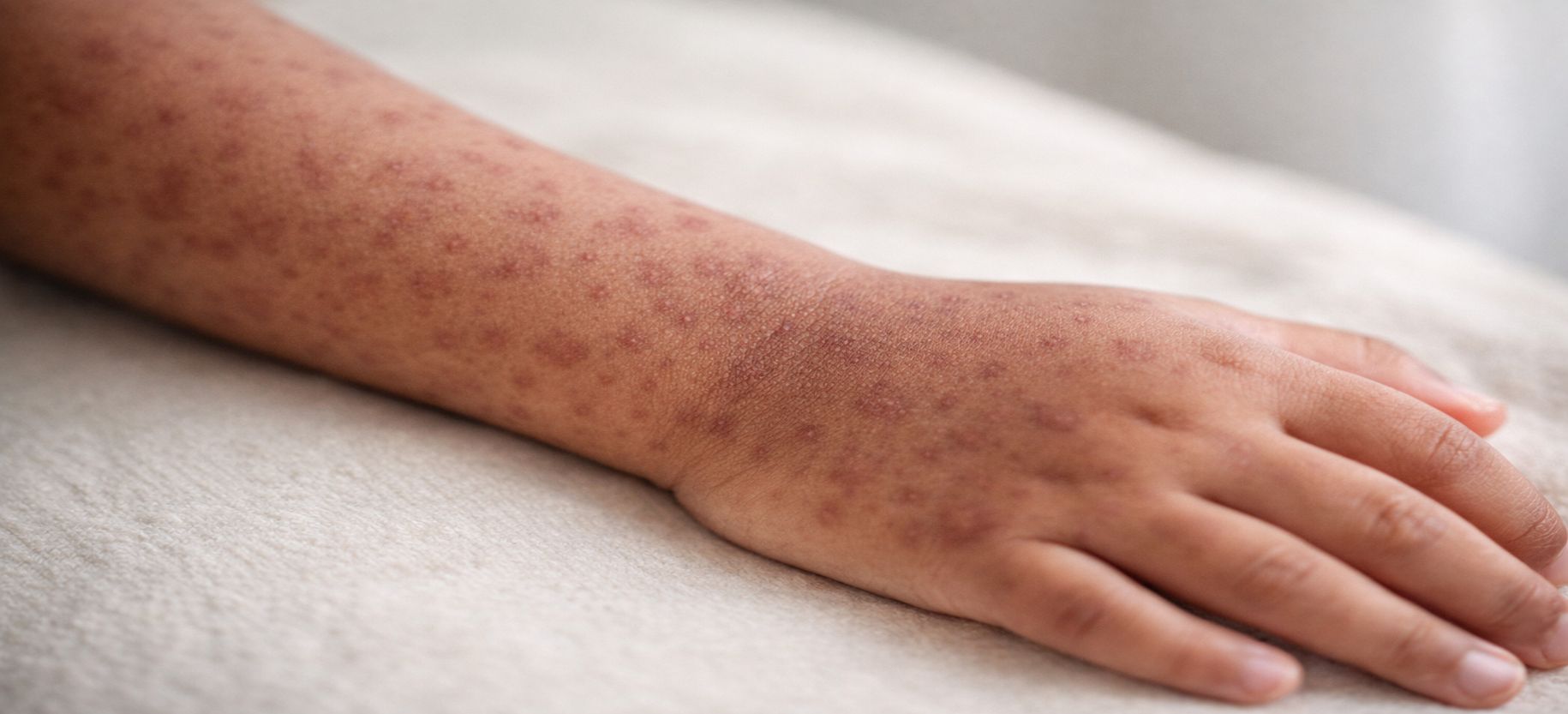
Next comes the rash. The World Health Organization says it usually starts on the face or hairline and upper neck, then spreads down the body over about three days. The rash lasts five to six days and then fades.
You are contagious before the rash shows. People with measles can spread it from four days before the rash until four days after the rash begins. That window is why one case can trigger many more in a school or event.
Symptom timeline at a glance
| Day from exposure | What often happens |
| 0 | Exposure to someone with measles |
| 7–14 | Fever, cough, runny nose, red eyes start |
| 9–16 | Koplik spots may appear inside the mouth |
| 10–18 | Rash begins on face or hairline, spreads downward over about 3 days |
| Rash days 1–6 | Fever may spike, rash fades after day 5–6 |
| Contagious period | From 4 days before rash to 4 days after rash onset |
How the rash looks on different skin tones
The rash is made of flat red or brown spots. Small raised bumps can sit on top. On brown and Black skin the color shift can be harder to see, so look for new flat patches and texture changes rather than “redness.” The pattern still starts at the face or hairline and moves down.
[Related: Measles rash on dark skin, photo guide → /health/measles-rash-dark-skin]
Common symptoms and how long they last
- Fever. Can be high. Often peaks around the first rash days.
- Cough and runny nose. Often last a week or more.
- Red, watery eyes. Light can hurt.
- Sore throat. May occur with cough.
- Koplik spots. Short lived, inside the cheeks.
- Rash. Spreads down the body, then fades after about a week.
Most people start to feel better as the rash fades. Recovery is usually 1 to 2 weeks from the first fever. The Mayo Clinic notes that the rash typically shows up about 3 to 5 days after the first symptoms and then clears.
Red flags that need urgent care
Go to urgent care or emergency help now if any of these happen:
- Trouble breathing or fast breathing
- Blue lips, severe chest pain, or confusion
- Severe dehydration, no urination, or inability to drink
- A seizure, severe headache with stiff neck, or repeated vomiting
- A very sleepy or hard to wake child
- You are pregnant, immune suppressed, or an infant under 6 months with possible exposure
These groups face higher risk of pneumonia, encephalitis, and pregnancy complications. CDC and WHO stress extra caution for infants, pregnant people, and those with weak immune systems.
When to call your doctor
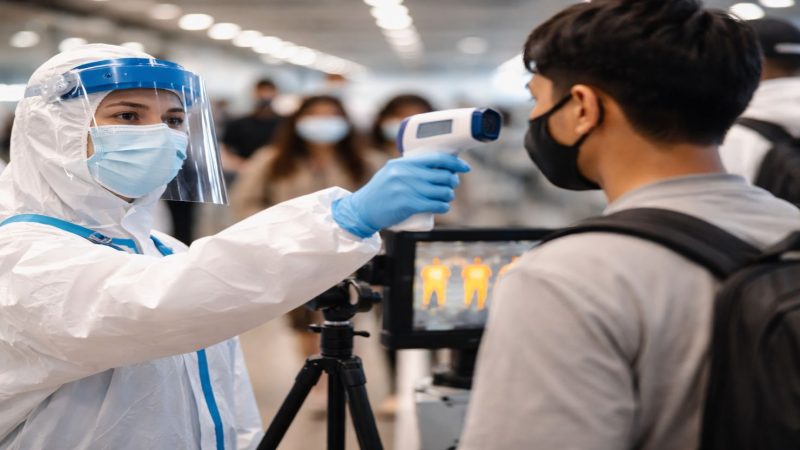
Call before visiting so you do not expose others in a waiting room. Describe symptoms and any exposure. Ask about testing and isolation. Your clinician may arrange a mask-on entrance or a separate room.
How measles spreads and why timing matters
Measles spreads through the air. Coughing or sneezing fills a room with virus that can hang for hours. On average, one sick person can infect nine of ten people close to them if those contacts are not immune. This high spread rate, plus the four days of silent contagiousness before the rash, explains quick outbreaks at schools, flights, and events.
What to do at home
- Rest and fluids. Small sips often for children.
- Fever care. Use acetaminophen or ibuprofen as advised by your clinician. Never give aspirin to children.
- Eye comfort. Dim lights. Use clean, damp cloths.
- Isolation. Stay home until at least four days after rash starts, unless your doctor tells you longer.
Some hospitalized children get vitamin A. Your clinician will decide if that fits your case.
How measles differs from look-alike illnesses
- Rubella, or German measles. Usually milder, with tender lymph nodes and a fine rash.
- Roseola. High fever first, rash after the fever breaks.
- Hand-foot-and-mouth disease. Sores in the mouth and on palms and soles.
Testing confirms the diagnosis when needed.
[Related: Measles vs rubella vs roseola → /health/measles-vs-rubella-roseola]
Special notes for vaccinated people
Breakthrough measles can happen but is less common. Symptoms may be milder and the rash more limited. Still call your clinician and isolate, since you can spread the virus.
Travel and exposure tips
Check your vaccine records before travel. If you were exposed and are not immune, call your clinician fast. Measles shots or immune globulin may reduce the chance of illness if given soon after exposure. Your local health authority can guide the timing.
Quick checklist
If you think it is measles, do this:
- Call your doctor or local health service first.
- Isolate at home.
- Use a well fitting mask if you must be around others.
- Push fluids.
- Track the date the rash started. This sets the isolation timeline.
Why it matters
Knowing the order of symptoms helps you act fast. You can avoid exposing others in the four days before the rash and the four days after it starts. You can also spot danger signs and get help in time. Clear steps protect infants, pregnant people, and those who cannot be vaccinated.
Sources:
- Centers for Disease Control and Prevention, “Measles, Signs and Symptoms,” https://www.cdc.gov/measles/signs-symptoms/index.html, 2024-05-09
- World Health Organization, “Measles, Fact sheet,” https://www.who.int/news-room/fact-sheets/detail/measles, 2025-11-28
- Mayo Clinic, “Measles, symptoms and causes,” https://www.mayoclinic.org/diseases-conditions/measles/symptoms-causes/syc-20374857, 2025-04-23