What are infectious diseases
TL;DR:
- Germs spread by contact, droplets, aerosols, vectors, food, and water.
- Vaccination, clean hands, and good ventilation cut risk fast.
- Stay home when sick and mask in crowded indoor spaces.
- Use antibiotics only when needed to slow resistance.
- Build a home and travel routine that bakes in prevention.
Infectious diseases are illnesses caused by germs, such as bacteria, viruses, fungi, or parasites. Many are mild, some are severe, and a few can be deadly. Public health groups call infection prevention and control a core part of safe care in all settings, from hospitals to homes.
How infections spread
Germs move from a source to a susceptible person through a route. The main routes are contact, droplets and sprays from coughs or sneezes, inhaled tiny particles in air, contaminated food or water, animals or insects, and shared items like utensils or toys.
The biggest global risks in plain language
Respiratory infections, diarrheal diseases, HIV, tuberculosis, malaria, and others still cause millions of cases each year, with higher impact where health access is limited. You can cut risk by combining vaccines, hygiene, and safer air. Long term, reducing resistance to antibiotics is also critical.
The essential prevention bundle
Think in layers. No single step is perfect. Several simple steps used together work best.
1) Get recommended vaccines
Vaccines protect you and people around you. Check your routine shots, boosters, and travel shots. Follow national schedules and your doctor’s advice. Health agencies treat vaccination as a pillar of infection control.
2) Clean hands at the right moments
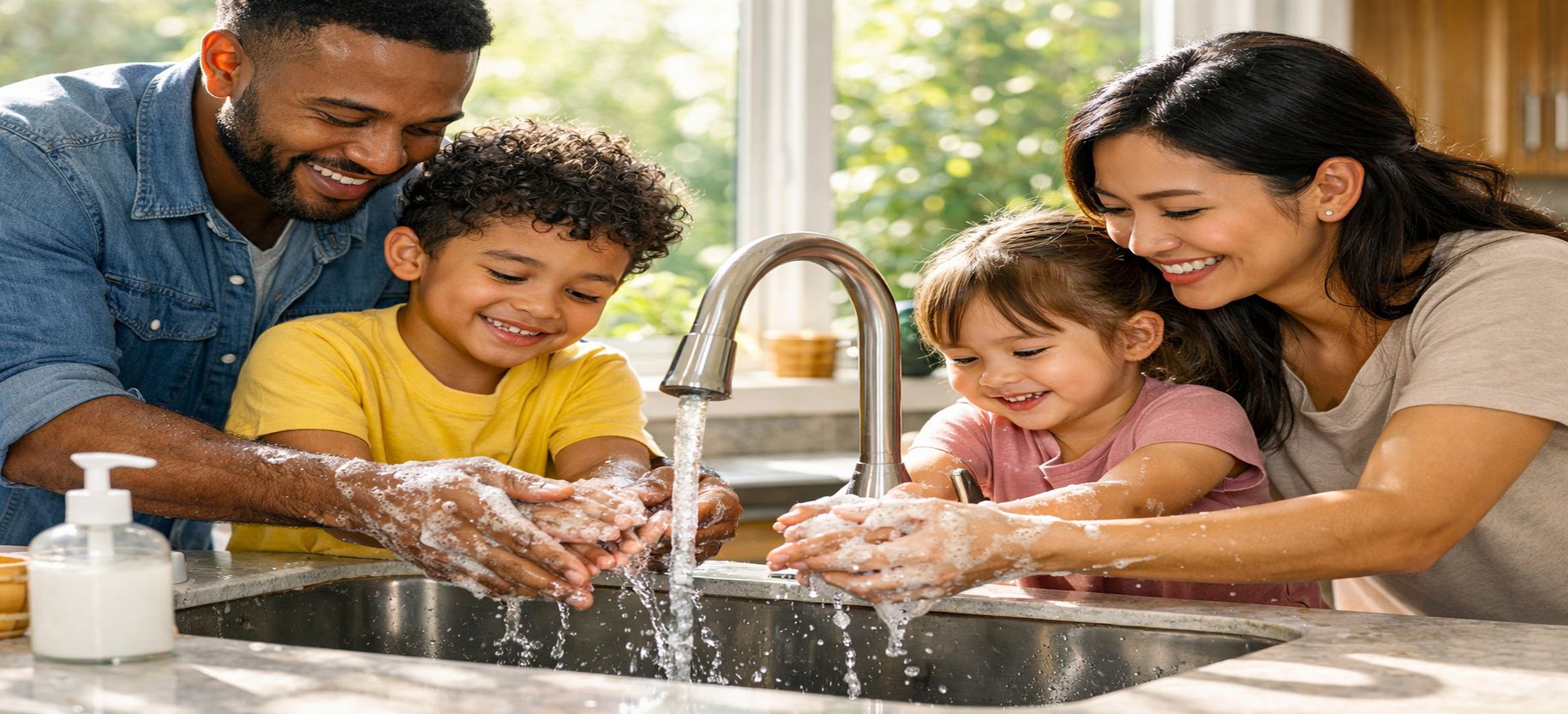
Wash with soap and water for 20 seconds after the toilet, before eating, after coughing, and after handling animals or waste. Use sanitizer with at least 60 percent alcohol when water is not available. In care settings, hand hygiene is a top standard practice.
3) Improve indoor air
Open windows when you can. Use fans that move air out, not only across people. Run an air purifier with a HEPA filter sized for the room. Better ventilation lowers the chance of breathing in infectious particles in shared spaces.
4) Use well fitting masks in riskier settings
Wear a mask if you are sick, caring for someone sick, or in crowded indoor spaces with poor air. Choose a high filtration mask if you are older, immunocompromised, or visiting clinics. This reduces spread by trapping droplets and small particles at the source.
5) Stay home when sick
If you have fever, cough, vomiting, or diarrhea, avoid school, work, and crowded places until you are better and fever free for at least 24 hours without medicine. Rest, hydrate, and seek care if symptoms worsen or last.
6) Safer food and water
Wash produce. Cook meat and eggs fully. Keep raw and cooked foods apart. Use safe water for drinking and ice, or boil if the source is uncertain. These steps reduce gut infections that spread by food or water.
7) Avoid insect bites
Use insect repellent that contains DEET, picaridin, or IR3535. Wear long sleeves and pants. Sleep under treated nets in malaria areas. Remove standing water near your home.
8) Clean and disinfect right
Focus on high touch surfaces like handles, taps, phones, and remotes when someone at home is sick. Clean first, then use a disinfectant with contact time as on the label.
9) Smart antibiotic use
Antibiotics treat bacterial infections, not viruses like the common cold. Do not pressure a clinician for antibiotics. If prescribed, take the full course as directed. Misuse and overuse drive resistance, which already leads to large numbers of deaths worldwide.
Quick checklist you can save
| Task | When to do it | Notes |
| Check vaccines | Twice a year | Include flu and travel needs |
| Wash or sanitize hands | Before food, after toilet, after cough | 20 seconds with soap, or sanitizer |
| Improve air | Daily | Open windows, run HEPA purifier |
| Mask in higher risk spaces | Crowded indoor, clinics, sick care | Use a snug, high filtration mask |
| Stay home if sick | Until fever free 24 hours | Seek care if symptoms worsen |
| Food safety | Every meal | Cook fully, separate raw and cooked |
| Bite prevention | Travel or mosquito season | Repellent, long sleeves, nets |
| Antibiotic stewardship | When ill | Only when prescribed, finish course |
Special situations
In hospitals and clinics
Healthcare follows standard and transmission based precautions. Staff use gloves, gowns, eye cover, or respirators depending on contact, droplet, or airborne risks. This placement and gear protect both patients and workers.
In schools and childcare
Teach and practice hand hygiene, proper respiratory etiquette, and home stay when sick. Clean shared items often. Improve classroom airflow and outdoor time where possible.
During travel
Check official travel health advice early. Some vaccines need time to work. Pack sanitizer, a few high quality masks, and your regular medicines. In malaria zones, plan for bite prevention and, if advised, preventive medicine.
Antimicrobial resistance, the slow burn problem
Drug resistant infections make routine care riskier and raise costs. Bacterial antimicrobial resistance was linked to millions of deaths in 2019, and trends remain a concern. Good stewardship in humans, animals, and crops matters. Use diagnostics when available. Avoid leftover or shared antibiotics. Support vaccine programs that cut the need for antibiotics.
What to do if someone in your home is sick
- Isolate the sick person in a separate room if possible.
- Open windows, run an air purifier, and keep the door closed.
- The sick person should wear a mask when around others.
- Use a dedicated bathroom if you can. If not, clean high touch points after each use.
- Do not share dishes, towels, or bedding.
- Wash hands often, especially after contact with the sick person or their items.
- Seek medical help for trouble breathing, severe dehydration, or confusion.
Why it matters
Prevention steps are simple, low cost, and protect the very young, the very old, and people with weak immunity. They also reduce pressure on health systems and help slow antibiotic resistance. The gains add up fast at home, school, work, and during travel.
Sources:
- World Health Organization, Infection prevention and control overview, https://www.who.int/health-topics/infection-prevention-and-control, accessed 19 January 2026.
- Centers for Disease Control and Prevention, How infections spread and infection control basics, https://www.cdc.gov/orr/school-preparedness/infection-prevention/appendix-a.html and https://www.cdc.gov/infection-control/about/index.html, accessed 19 January 2026.
- Our World in Data, Deaths from infectious diseases (IHME GBD 2024), https://ourworldindata.org/grapher/deaths-from-infectious-diseases, accessed 19 January 2026.
- World Health Organization, Antimicrobial resistance fact sheet, https://www.who.int/news-room/fact-sheets/detail/antimicrobial-resistance, updated 21 November 2023, accessed 19 January 2026.
- World Health Organization, Global antibiotic resistance surveillance report 2025, https://www.who.int/publications/i/item/9789240116337, published 13 October 2025, accessed 19 January 2026.