Respiratory illnesses: symptoms, risks, prevention, and care
TL;DR:
- Colds, flu, RSV, pneumonia, asthma, and COPD are most common.
- Clean air, vaccines, and smoke-free living cut the biggest risks.
- Ventilation, masks, and hand hygiene lower day-to-day spread.
- Seek urgent care for trouble breathing, blue lips, or chest pain.
- Plan for high-risk groups with vaccines and action plans.
What counts as a respiratory illness
Respiratory illnesses affect the airways, lungs, or both. They include short-term infections like colds, flu, COVID-19, and RSV, and long-term conditions like asthma and chronic obstructive pulmonary disease, or COPD. These diseases range from mild to life-threatening. Good prevention and timely care reduce severe outcomes. The two most common chronic conditions are asthma and COPD.
How big is the problem
Chronic respiratory diseases were the world’s third leading cause of death in 2019, with about 4.0 million deaths and 455 million people living with these conditions. Age-standardized death rates have fallen since 1990, yet total cases have grown as populations age.
Pneumonia remains the top infectious killer of young children. In 2019 it caused about 740,000 deaths in children under 5. UNICEF estimates more than 700,000 under-5 deaths each year, most preventable with proven tools. South Asia and sub-Saharan Africa bear the highest burden.
Air pollution is a major driver of respiratory disease. In 2019, 99 percent of people lived in places that did not meet WHO air quality guidelines. The combined effects of outdoor and household air pollution are linked to millions of premature deaths each year.
Main causes and risk factors
- Viruses and bacteria. Rhinovirus, influenza, RSV, SARS-CoV-2, and bacterial causes of pneumonia spread more easily indoors and in close contact. Ventilation reduces risk.
- Tobacco smoke. Smoking causes COPD and lung cancer. Second-hand smoke harms children and adults and kills about 1.6 million people yearly. In high-income countries, smoking drives over 70 percent of COPD cases. In low and middle income countries, smoking explains 30 to 40 percent, and household smoke from solid fuels adds risk.
- Air pollution. Fine particles, or PM2.5, raise the risk of COPD, lower respiratory infections, and lung cancer. Household air pollution nearly doubles the risk of childhood pneumonia and contributes to many child pneumonia deaths.
- Occupational and indoor hazards. Dust, fumes, mold, and damp buildings can worsen asthma and other lung diseases.
- Other factors. Prematurity, low birth weight, poor nutrition, and chronic conditions increase risk of severe illness.
Common symptoms to watch
- Runny or blocked nose, sore throat, cough, or wheeze.
- Fever, body aches, or extreme tiredness.
- Chest tightness or shortness of breath.
- In children, fast breathing, chest indrawing, poor feeding, or lethargy.
Call emergency services for blue lips or face, severe trouble breathing, confusion, or chest pain.
Proven prevention you can start today
1) Improve indoor air.
Bring in more clean outdoor air. Open windows when safe. Use exhaust fans. Upgrade HVAC filters. In public or shared spaces, aim for better air exchange and filtration. Cleaner indoor air lowers exposure to airborne viruses.
2) Mask smart in higher-risk settings.
Wear a well-fitting mask on crowded transport, in clinics, or when you or others are sick. Better fit and filtration give better protection.
3) Keep hands clean and avoid close contact when ill.
Wash with soap and water, or use sanitizer with at least 60 percent alcohol. Stay home when you have a fever or bad cough.
4) Vaccinate when eligible.
- Flu. Annual influenza vaccination is recommended by health agencies and updated each season. WHO sets vaccine strain advice twice a year.
- RSV for older adults. One dose is advised for all adults 75 and older, and for adults 50 to 74 at higher risk, per current clinical guidance. Some regions approve use from age 50. Follow your local public health advice.
- COVID-19 and other vaccines. Follow local schedules for COVID-19, pneumococcal, and pertussis vaccines. Vaccines reduce severe disease and deaths.
5) Go smoke-free.
Quit smoking and keep homes and vehicles smoke-free. Protect children from second-hand smoke. In many countries, smoke from solid fuels also harms lungs. Seek local quit services.
6) Protect kids.
Exclusive breastfeeding for the first 6 months, timely vaccines, nutrition support, clean indoor air, and prompt care for breathing trouble save lives.
Everyday actions by setting
Home
- Ventilate kitchens and baths.
- Use clean cooking options where possible.
- Run portable HEPA filters in busy rooms if outdoor air is poor.
- Keep smoke, incense, and aerosol sprays to a minimum.
- Isolate when sick and mask if you must share space.
Schools and childcare
- Improve classroom ventilation and filtration.
- Send children home when feverish or breathing fast.
- Teach mask use as a temporary tool during outbreaks.
- Ensure routine vaccines and asthma action plans are up to date.
Workplaces and public venues
- Maintain HVAC systems and monitor airflow.
- Offer paid sick leave to reduce presenteeism.
- Provide high-filtration masks during surges.
- Control dust and fumes in industry with engineering changes first.
Asthma and COPD basics
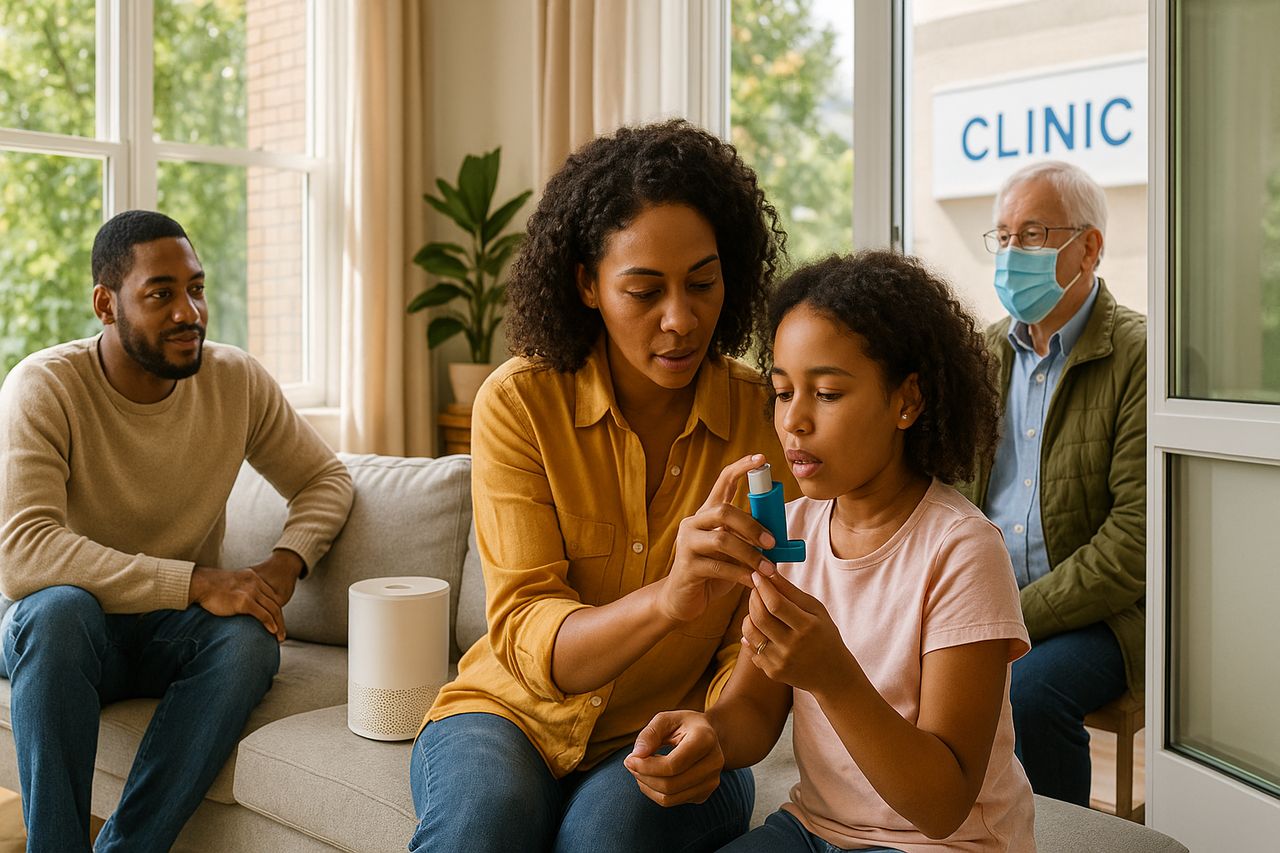
Asthma causes airway swelling and narrow airways that can flare with allergens, infections, smoke, exercise, or stress. Daily control medicines and rescue inhalers prevent attacks.
COPD is long-term airflow limitation, most often from smoking or smoke exposure. It leads to chronic bronchitis, emphysema, or both. Stopping smoke exposure slows decline. Pulmonary rehab, inhalers, and vaccines improve life and reduce hospital visits.
Quick checklist: reduce your respiratory risk
| Goal | Action | Why it helps |
| Clean indoor air | Increase outdoor air, upgrade filters, use HEPA | Lowers airborne virus levels |
| Fewer severe infections | Keep up with flu, COVID-19, and RSV advice | Cuts hospital and death risk |
| Less smoke | Quit smoking, avoid second-hand smoke | Prevents COPD and infections |
| Safer cooking | Use clean fuels or vented stoves | Reduces pneumonia risk in kids |
| Smart mask use | Wear a high-filtration mask in crowds or clinics | Reduces spread and exposure |
When to seek medical care
Seek urgent care for severe shortness of breath, fast breathing in infants, blue lips or face, chest pain, confusion, or dehydration. For ongoing cough or wheeze, see a clinician. Early antibiotics can save lives in bacterial pneumonia. Early antivirals can help in flu and COVID-19 for high-risk groups.
Care plans for higher-risk groups
Older adults, people with chronic heart or lung disease, pregnant people, and infants face higher risks from respiratory infections. They benefit most from vaccines, clean air, early testing, and quick treatment. Consider a written action plan for asthma or COPD that lists daily medicines, warning signs, and when to escalate care.
Why it matters
Strong respiratory health means fewer hospital stays, safer childhoods, and longer lives. Clean air and smoke-free living protect everyone. Vaccines and simple daily steps add layers of safety. These tools work in every region when used together. As of 7 October 2025, the science continues to support this layered approach.
Sources:
- World Health Organization, Chronic respiratory diseases overview, https://www.who.int/health-topics/chronic-respiratory-diseases, accessed 2025-10-07
- The Lancet EClinicalMedicine, Global burden of chronic respiratory diseases and risk factors, https://www.thelancet.com/journals/eclinm/article/PIIS2589-5370%2823%2900113-X/fulltext, 2023-06-01
- PubMed, Chronic respiratory diseases global burden update 2019, https://pubmed.ncbi.nlm.nih.gov/37229504/, 2023-05-26
- WHO, Pneumonia fact sheet, https://www.who.int/news-room/fact-sheets/detail/pneumonia, 2022-11-11
- UNICEF Data, Pneumonia in children statistics, https://data.unicef.org/topic/child-health/pneumonia/, 2024-11-01
- WHO, Ambient air pollution fact sheet, https://www.who.int/news-room/fact-sheets/detail/ambient-%28outdoor%29-air-quality-and-health, 2024-10-24
- CDC, Preventing respiratory illnesses, https://www.cdc.gov/respiratory-viruses/prevention/index.html, 2025-08-18
- CDC NIOSH, About ventilation and respiratory viruses, https://www.cdc.gov/niosh/ventilation/about/index.html, 2024-10-03
- US EPA, Ventilation and respiratory viruses, https://www.epa.gov/indoor-air-quality-iaq/ventilation-and-respiratory-viruses, 2025-09-08
- CDC, Masks and respiratory viruses, https://www.cdc.gov/respiratory-viruses/prevention/masks.html, 2025-08-18
- CDC, Immunizations and respiratory viruses, https://www.cdc.gov/respiratory-viruses/prevention/immunizations.html, 2025-08-18
- CDC, RSV vaccine guidance for adults, https://www.cdc.gov/rsv/hcp/vaccine-clinical-guidance/adults.html, 2025-07-08
- Reuters, EU regulator backs RSV shot for adults 50–59, https://www.reuters.com/business/healthcare-pharmaceuticals/eu-regulator-recommends-use-gsks-rsv-shot-adults-aged-50-59-2024-07-26/, 2024-07-26
- WHO, COPD fact sheet, https://www.who.int/news-room/fact-sheets/detail/chronic-obstructive-pulmonary-disease-%28copd%29, 2024-11-06
- WHO, Household air pollution and health, https://www.who.int/news-room/fact-sheets/detail/household-air-pollution-and-health, 2024-10-16