Citi: Big Tech AI spend to top $2.8T by 2029 as capex surges
TL;DR:
- Citi lifted its AI spend forecast to $2.8 trillion through 2029.
- Hyperscalers drive the jump with earlier, larger buildouts.
- AI capex could hit about $490 billion by 2026
- Power is a chokepoint, with ~55 GW extra needed by 2030.
Implications span chips, power, data centers, and cloud margins.On September 30, 2025, Citigroup raised its forecast for Big Tech’s AI infrastructure spending to more than $2.8 trillion by 2029, up from an earlier $2.3 trillion view. The bank points to faster and larger buildouts by hyperscalers like Microsoft, Amazon, Alphabet, and Meta, plus rising enterprise demand.
Citi also expects AI capital expenditures to reach about $490 billion by 2026, reflecting how quickly the cycle is accelerating. Live market coverage in the UK echoed the same figures the day they were published.
Why Citi changed the numbers
Early, aggressive builds. Hyperscalers are ordering capacity ahead of visible demand to avoid shortages. That brings purchases of GPUs, networking, memory, and whole data centers forward.
Enterprise validation. Citi cites production use at large non-tech firms as proof that AI spend is sticking, not just pilot hype. That broadens the buyer base beyond the cloud giants.
Power constraints. The report flags a need for roughly 55 gigawatts of extra generation and delivery by 2030 to feed AI compute, a reminder that energy and grid build-out now sit on the critical path.
The scale, in context
The new $2.8 trillion figure lands amid a wider industry surge. Separate Reuters reporting this month highlighted record U.S. data center construction tied to AI workloads, reinforcing the capex backdrop Citi describes.
Citi’s own insights hub has tracked rising AI-linked electricity demand and a broadening revenue pool for AI over the next five years, providing macro context for today’s capex call-up.
Who stands to gain
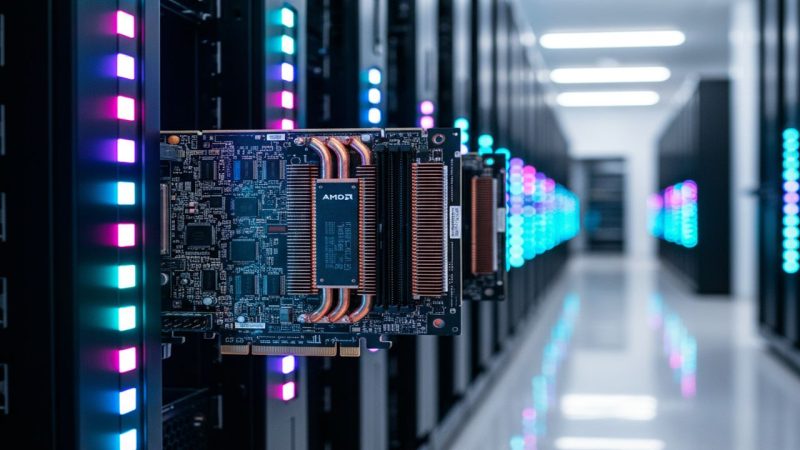
Semiconductors. GPU leaders, AI accelerators, high-bandwidth memory, smart NICs, and optical interconnect suppliers ride the first wave of orders. Recent coverage ties hyperscaler spend directly to semiconductor demand.
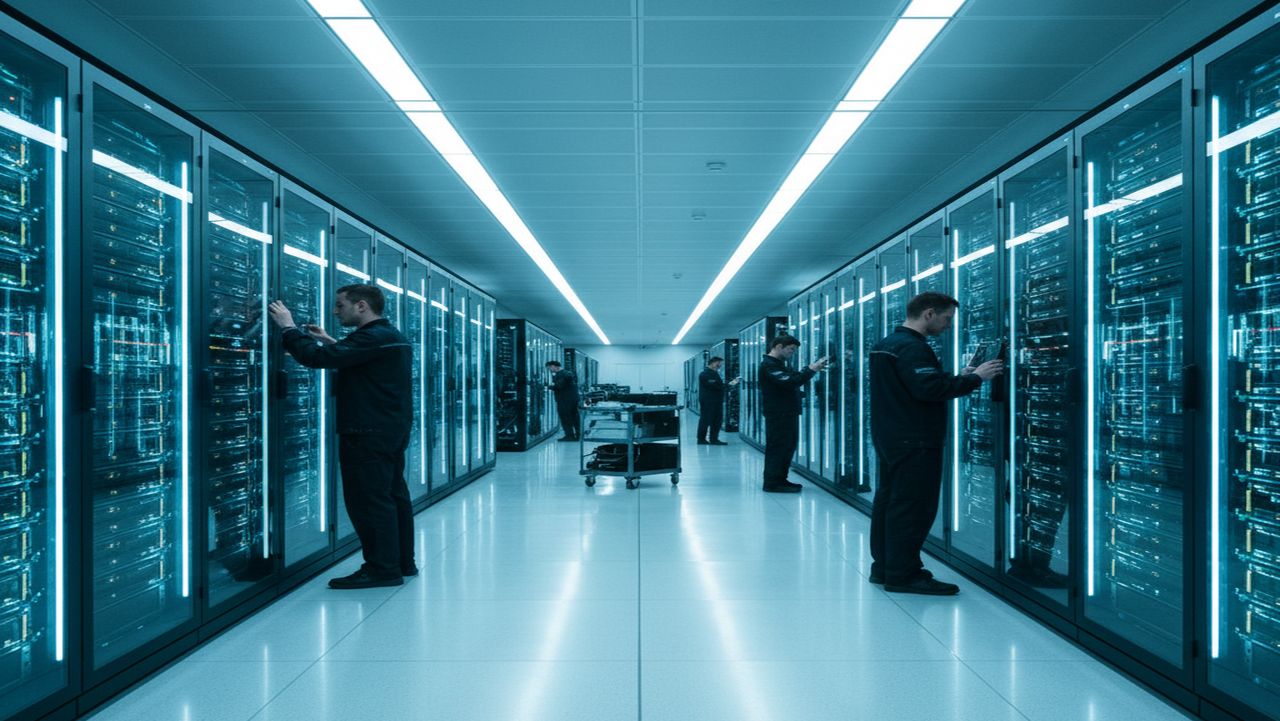
Data center operators and builders. Colocation providers, cloud regions, and specialist builders benefit from sustained orders, longer build queues, and rising pre-leasing.
Power and utilities. New generation, grid upgrades, and on-site solutions like gas peakers and large-scale batteries become core to AI timelines. Citi’s 55 GW estimate underscores that utilities are now strategic suppliers to AI.
Enterprise software and services. As AI pilots turn into production, spend shifts to platforms, integration, and governance. Citi’s call leans on early proof points in pharma, industrials, and information services.
What it means for Big Tech margins
Building ahead of demand can pressure free cash flow. Citi notes more borrowing as firms finance multi-year buildouts. That may weigh on near-term margins while platform revenue, usage fees, and AI services ramp. Investors should watch the gap between capacity online and revenue per unit of compute.
A separate live-blog summary on the day of the report also highlights the faster 2026 spend run-rate, pointing to stronger near-term guidance risk in upcoming earnings calls.
Risks to the forecast
Supply volatility. Chip packaging, memory, and networking can bottleneck racks even if GPUs ship on time. Delays cascade to revenue recognition.
Power and permits. Substations, transmission, and water use approvals can slip multi-quarters, pushing capacity into later years despite firm orders. Citi’s 55 GW flag is a reminder that megawatts, not only chips, set pace.
ROI and adoption curves. If enterprise adoption stalls or models get more compute-efficient faster than expected, providers could face lower utilization on sunk assets. Citi’s parallel work on AI revenues suggests growth, but outcomes vary by sector and use case.
Policy and trade. Export controls, tariffs, or cloud security rules can shift where and how AI capacity gets built, affecting costs and timelines.
What to watch next
- Q3 and Q4 earnings calls. Look for updated capex guides, capacity timelines, and comments on enterprise AI pipelines. Day-of coverage suggested guidance could “build ahead of visible demand.”
- Utility interconnect queues. Approvals, curtailment risk, and where hyperscalers co-site generation with data centers.
- Data center REIT leasing. Pre-leasing rates and power-backed capacity announcements.
Quick reference: numbers and drivers
Why it matters
This spending wave will shape the price and availability of AI for the rest of the decade. It touches everything from chip supply to electricity bills. If Citi’s path holds, AI becomes a long-cycle infrastructure story, not a short hype cycle. That affects hiring, regional power plans, enterprise IT roadmaps, and the economics of every AI product you ship.
What teams should do now
Finance and strategy. Stress-test budgets with higher cloud AI costs in 2026-2027. Bake in power price risk for on-prem. Track utilization and commit lengths on any reserved instances.
Engineering and product. Optimize tokens and context. Use smaller models with retrieval where possible. Design for portability across providers to avoid stranded capacity risk.
Procurement and infrastructure. If you build, engage utilities early. Co-locate near reliable power, water, and fiber. Negotiate demand-response incentives where available.
Sources:
- Reuters, “Citigroup forecasts Big Tech’s AI spending to cross $2.8 trillion by 2029,” published 30 September 2025. https://www.reuters.com/world/china/citigroup-forecasts-big-techs-ai-spending-cross-28-trillion-by-2029-2025-09-30/
- The Times, “Business live: FTSE 100 heads for best quarter since 2022,” published 30 September 2025. https://www.thetimes.co.uk/article/live-latest-news-uk-companies-ftse-100-shares-77hkh6fvs
- Citi Insights, “AI: The Information Era’s Apex Technology,” published 29 August 2025. https://www.citigroup.com/global/insights/ai-the-information-era-apex-technology
- Reuters, “US data center build hits record as AI demand surges,” published 10 September 2025. https://www.reuters.com/business/us-data-center-build-hits-record-ai-demand-surges-bank-america-institute-says-2025-09-10/