Top Travel Destinations in Canada: 15 Unmissable Places
TL;DR:
- Start with the Rockies, Quebec’s historic cities, and Atlantic coasts.
- Summer suits hiking and road trips. Winter shines for snow and aurora.
- Pick from 15 can’t-miss stops, mapped by region and interest.
- Use our quick checklist and best-season table to plan fast.
- Sources confirm key facts on seasons, parks, and signature sights.
Canada is huge, with long distances and four true seasons. This guide highlights 15 destinations that work for first trips or deeper dives.
Use the best-season table and the checklist to fit your time and style.
When to go
Summer, from late June to August, is prime for hiking, road trips, and festivals. Fall brings color and wildlife. Winter is for skiing and northern lights. Spring is shoulder season with fewer crowds. These tips match National Geographic’s guidance on seasons and iconic activities in Toronto, Vancouver, Whistler, Clayoquot Sound, Churchill, and more.
Fast facts for park lovers
Canada protects 37 national parks and 11 national park reserves that represent most of the country’s natural regions. That range includes mountains, tundra, forests, lakes, and glaciers.
The 15 top travel destinations in Canada
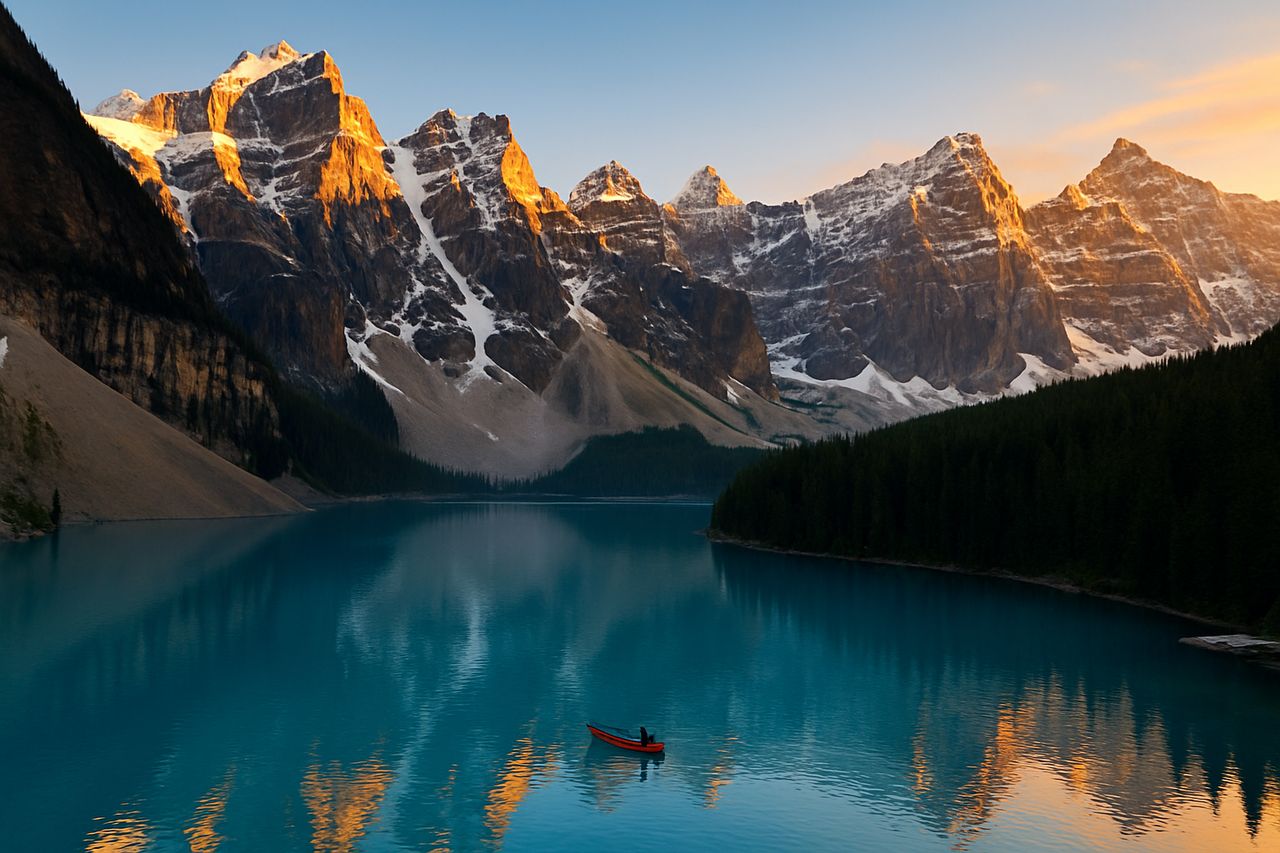
1) Banff and Lake Louise, Alberta
Turquoise lakes, tall peaks, and easy trailheads. Summer brings hiking and paddling. Winter brings top ski areas.
2) Jasper and the Icefields Parkway, Alberta
Drive one of the most scenic roads on Earth. Stop at glaciers, waterfalls, and wildlife lookouts. Go early to beat traffic.
3) Vancouver to Whistler, British Columbia
Follow the Sea-to-Sky Highway for ocean views, fjords, and granite cliffs. In winter, ski Whistler Blackcomb. In summer, bike and hike near Squamish and Garibaldi. National Geographic spotlights this corridor for year-round adventure.
4) Vancouver Island’s West Coast, British Columbia
Base in Tofino or Ucluelet. Walk Pacific beaches, surf gentle breaks, and watch whales in spring. Storm watching is a bonus from November to March. Nat Geo highlights whale-watching at Clayoquot Sound and the classic West Coast Trail.
5) Toronto, Ontario
Canada’s largest city mixes global food, museums, sports, and island parks. The CN Tower anchors the skyline and helps with bearing. National Geographic’s Canada guide features the tower and the city’s neighborhoods.
6) Niagara Falls, Ontario
See Horseshoe Falls from the rim. Ride a boat to the spray. Pair the visit with nearby wineries for a full day.
7) Ottawa and the Rideau Canal, Ontario
Canada’s capital is easy to tour on foot and by bike. In summer, cruise the canal through lakes and locks. The canal is the oldest continuously operated canal system in North America.
8) Montréal, Québec
Expect festivals, live music, and food markets. Stroll the Plateau and Old Montréal. Summer is peak, but winter lights and dining are strong.
9) Québec City, Québec
A walled old town, cobblestones, and river views. Winter brings Carnaval and cozy cafés. Summer brings long golden evenings.
10) Gaspé Peninsula and Percé, Québec
Drive the coastal loop to cliffs and lighthouses. Hike in Forillon National Park. Take a boat to see Percé Rock.
11) Bay of Fundy, New Brunswick and Nova Scotia
Watch the world-class tides carve the coast. Walk the sea floor at low tide, then return for high tide views. National Geographic points to this coast for tidal geology and dramatic shorelines.
12) Halifax and Cape Breton’s Cabot Trail, Nova Scotia
Explore the port city, then drive the 185-mile Cabot Trail for ocean cliffs and highland lookouts. It ranks among the great coastal drives.
13) Prince Edward Island
Cycle or sample the Island Walk, hit warm beaches, and eat fresh seafood. Summer is best. Book cars and cottages early.
14) Gros Morne National Park, Newfoundland and Labrador
Hike above a land-locked fjord, cruise Western Brook Pond, and see otherworldly rock at the Tablelands. Nat Geo highlights its rare geology and views.
15) Churchill, Manitoba
Prime season for polar bears runs in late October and November. Summer brings belugas and tundra flowers. National Geographic points to Churchill’s fall bear gatherings.
Best season at a glance
Northern lights: where and when
Yellowknife and much of the Northwest Territories see frequent aurora. Clear, dark nights arrive from late August through April. National Geographic notes the aurora is visible in the NWT up to 240 nights per year.
Sample 10- to 14-day routes
Western sampler, 10 days
Vancouver 2 days, Sea-to-Sky to Whistler 2 days, ferry to Vancouver Island 3 days near Tofino, fly to Calgary, Banff and Lake Louise 3 days. [Related: Western Canada itinerary guide → /guides/western-canada-itinerary]
East classic, 10 days
Toronto 2 days, Niagara Falls day trip, VIA Rail to Montréal 2 days, train to Québec City 2 days, fly to Halifax and drive Cabot Trail 3 days. [Related: Canada by train, how to book → /guides/canada-train]
Atlantic loop, 12–14 days
Halifax, Bay of Fundy, PEI beaches, Gros Morne, return to Halifax. Take a day for whale watching.
Quick planning checklist
- Pick a region first. Do not try to see it all.
- The book key stays 3 to 6 months out for July and August.
- For winter trips, reserve cars with snow tires.
- On popular trails, start early and carry layers.
- In wildlife areas, keep distance and follow local rules.
- For parks, buy a Parks Canada Discovery Pass.
Common mistakes
- Cramming four provinces into one week.
- Ignoring wildfire season updates and road closures.
- Underestimating winter driving.
- Skipping travel insurance for remote areas.
Why it matters
Canada rewards planners. Matching place and season can turn a good trip into a great one. Use this list to focus your time, budget, and energy on high-value stops that suit your style.
Sources:
- National Geographic, “The essential guide to visiting Canada,” https://www.nationalgeographic.com/travel/article/essential-guide-canada, 2024-06-04.
- Parks Canada, “National parks,” https://parks.canada.ca/pn-np, 2025-09-03.
- U.S. News Travel, “Best Places to Visit in Canada for 2025,” https://travel.usnews.com/rankings/best-canada-vacations/, 2025-01-01.